





Assisted Living Latham offers specialized memory care tailored to seniors with cognitive impairments, focusing on individualized plans, 24/7 medical supervision, and compassionate staff training. Key features include:
– Balancing independence and assistance.
– Tailored amenities for diverse cognitive needs.
– Comprehensive "Lifestyle Programs" for cognitive stimulation and social interaction.
– Staff expertise and ongoing training in best practices.
– Homely environment designed by architects to reduce institutional feelings.
– Accessible outdoor spaces, open layouts with natural light, and personalized care plans.
As our population ages, ensuring the highest quality care for loved ones with memory loss becomes increasingly vital. Navigating the landscape of memory care facilities can be daunting, given the wide range of options available. This article provides an authoritative guide to identifying and selecting the best memory care facilities, including a special focus on Assisted Living Latham as a premier choice. By delving into key factors such as specialized care, amenities, and community engagement, we aim to empower families to make informed decisions and secure a comforting, supportive environment for their loved ones.
- Understanding Memory Care: Essential Needs for Seniors
- Assessing Quality: What Makes a Top Assisted Living Facility?
- The Role of Staff: Training and Compassion in Care
- Creating Home: Designing Spaces for Comfort and Safety at Assisted Living Latham
Understanding Memory Care: Essential Needs for Seniors

Understanding Memory Care: Essential Needs for Seniors
Memory care facilities play a crucial role in providing specialized support and an enhanced quality of life for seniors with cognitive impairments, particularly those suffering from Alzheimer’s disease or other forms of dementia. At the forefront of this field is Assisted Living Latham, a premier provider known for its compassionate and comprehensive approach to memory care. By focusing on individual needs, promoting independence, and fostering a sense of community, top-tier facilities like Assisted Living Latham set new standards in senior living.
One of the essential components of memory care is ensuring residents have access to dedicated staff who are trained in handling the unique challenges presented by cognitive decline. This includes providing personalized assistance with daily activities, such as bathing, dressing, and medication management. Moreover, the best assisted living for Alzheimer’s patients often incorporates a range of therapeutic activities designed to stimulate mental engagement and slow the progression of memory loss. Assisted living homes with private rooms are particularly favored, offering residents privacy and comfort while also facilitating individualized care plans.
Residents of these facilities benefit from having independent living with assistance nearby, available 1-3 times per day. This balance allows seniors to maintain a sense of autonomy while receiving timely support when needed. For instance, Assisted Living Latham offers a variety of amenities tailored to different cognitive levels, from secure outdoor gardens and engaging social programs to specialized memory care programs led by certified professionals. By prioritizing the specific needs of residents, these assisted living communities empower seniors to live with dignity and purpose in their golden years.
Assessing Quality: What Makes a Top Assisted Living Facility?

Assessing a top-tier assisted living facility involves scrutinizing a multitude of factors. While many facilities offer basic care, exceptional ones go beyond meeting essential needs by implementing best practices for assisted living management. These include individualized care plans tailored to each resident’s unique needs and preferences, as well as fostering an environment that promotes independence while offering assistance when required.
Consider the balance between independent living with assistance nearby—a key consideration for many families—and structured activities designed to enhance quality of life. Top facilities often incorporate engaging programs focused on cognitive stimulation, social interaction, and physical activity. For instance, Assisted Living Latham excels in this area through its comprehensive “Lifestyle Programs” which offer a range of activities from art classes to gardening groups, ensuring residents can engage in meaningful pursuits while receiving the necessary support.
Beyond operations, the expertise and dedication of staff are paramount. Look for facilities with qualified and compassionate caregivers who receive ongoing training in current best practices. High-quality nursing home alternatives for elderly individuals should also offer 24/7 medical supervision, access to emergency services, and easy transport to nearby healthcare providers. Regular communication between residents, families, and the facility’s administration is another critical component ensuring everyone stays informed about care plans and any changes in a resident’s condition.
The Role of Staff: Training and Compassion in Care

The quality of care provided by staff is a cornerstone when considering top memory care facilities, such as Assisted Living Latham. Trained professionals play a pivotal role in managing the complex needs of residents with cognitive impairments. Comprehensive training ensures staff members can handle various behaviors and challenges that often accompany memory loss, providing meaningful support tailored to each individual’s unique journey.
Assisted living for veterans benefits, for instance, requires specialized knowledge to address post-traumatic stress and other service-related conditions. Staff at top facilities undergo education on recognizing and respecting military backgrounds, enabling them to offer personalized care. Similarly, assisted living homes with private rooms cater to diverse preferences and promote a sense of independence. Well-trained staff facilitate this by accommodating private time while ensuring safety and social engagement.
Nursing home alternatives for elderly individuals should foster a homelike environment, and compassionate care is essential here. Staff members who demonstrate empathy and understanding create a comforting atmosphere. They can encourage residents to share stories, maintain routines, and preserve their sense of self—all vital aspects of enhancing quality of life in these settings. Data suggests that facilities prioritizing staff training and compassion see improved resident outcomes, including higher levels of satisfaction and better behavioral management.
When evaluating memory care options, families should inquire about staff-to-resident ratios and training programs. Expert perspectives recommend looking for facilities that invest in ongoing education, emphasizing the importance of staying current with best practices. By ensuring well-trained and compassionate staff, Assisted Living Latham and similar top facilities create an environment where residents can thrive, receiving personalized care tailored to their evolving needs.
Creating Home: Designing Spaces for Comfort and Safety at Assisted Living Latham

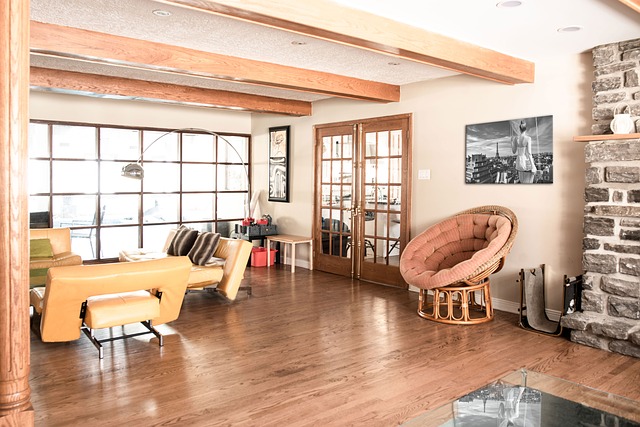
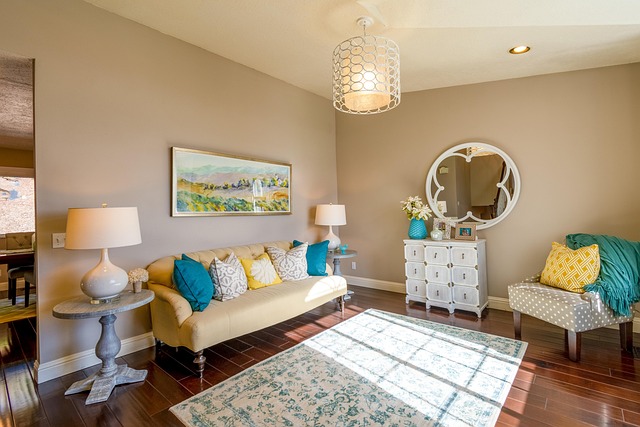
Creating a home-like environment is essential for Assisted Living Latham to provide top-quality memory care. The design of these spaces plays a pivotal role in fostering comfort, safety, and overall well-being for residents, especially those with cognitive impairments. At Assisted Living Latham, architects and caregivers have collaborated to craft an intimate setting that resembles a charming village, complete with cozy nooks and designated areas for various activities. This approach significantly reduces the sense of institutionalization often associated with senior living facilities.
The facility’s architecture prioritizes open layouts, allowing natural light to flood in, creating a vibrant atmosphere. Large windows offer panoramic views, encouraging residents to engage with their surroundings and enhancing their connection to the outside world. For instance, many assisted living facilities now incorporate outdoor spaces designed for accessibility, such as dedicated gardens and walking paths, which are integral parts of Assisted Living Latham’s layout. These areas not only promote physical activity but also provide sensory stimulation, an essential aspect of high-end assisted living with amenities.
Incorporating senior living options for wheelchair users is a key consideration in memory care design. Assisted Living Latham ensures that all public spaces and resident rooms are fully accessible, featuring wide doorways, low counters, and modified bathrooms. This accessibility standard not only facilitates daily tasks but also empowers residents to maintain their independence for as long as possible. Care plans at Assisted Living Latham are tailored to accommodate individual needs, ensuring that each resident receives personalized attention. These care plans encompass a range of activities, from cognitive stimulation programs to physical therapy sessions, and are regularly updated based on progress and changing preferences. By providing an inclusive, comfortable environment, Assisted Living Latham creates a peaceful haven for its memory care residents.
By synthesizing insights from “Understanding Memory Care,” “Assessing Quality,” and “The Role of Staff,” it’s clear that top-tier memory care facilities, such as Assisted Living Latham, prioritize comprehensive needs. Key takeaways include the importance of specialized staff trained in cognitive support, well-designed environments fostering comfort and safety, and a focus on individualization. Readers should emphasize these factors when evaluating potential options, ensuring loved ones receive the highest quality care tailored to their unique needs. This authoritative article equips families with the knowledge to navigate this crucial decision, highlighting Assisted Living Latham as a model for exceptional memory care.