






Assisted Living Latham emphasizes personalized comfort plans as a cornerstone of quality care. They differentiate through holistic approaches, catering to physical, emotional, and social needs. For residents with memory loss or limitations, specialized support includes tailored activities, sensory-rich environments, and accessible design. Regular reviews, family involvement, and trained caregivers ensure continuity and safety. Customized daily routines, homey amenities, and natural light enhance overall well-being, making Assisted Living Latham a top choice for senior living.
In today’s fast-paced world, finding personalized plans for comfort can be a significant challenge, particularly within the context of Assisted Living Latham. The demand for tailored solutions that cater to individual needs is more critical than ever, especially among aging populations seeking enhanced quality of life. The problem lies in the one-size-fits-all approach prevalent in traditional care models, often neglecting the unique physical and emotional requirements of each resident. This article explores evidence-based strategies and innovative practices to address this gap, offering valuable insights into revolutionizing comfort in assisted living settings through personalized planning.
- Understanding Individual Comfort Needs in Assisted Living Latham
- Assessing Mobility and Accessibility Requirements for Personalized Plans
- Creating a Supportive Environment: Design and Layout Considerations
- Implementing Daily Routine Adaptations for Enhanced Well-being
- Staff Training and Empathy: Key to Effective Comfort Strategies
Understanding Individual Comfort Needs in Assisted Living Latham
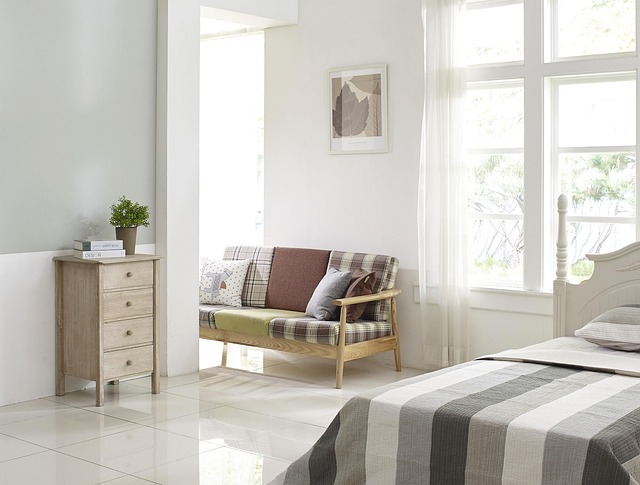
In the realm of Assisted Living Latham, understanding individual comfort needs is paramount to creating tailored environments that enhance quality of life for all residents. Top-rated assisted living in [state name] facilities recognize that comfort goes beyond basic necessities; it encompasses physical, emotional, and social aspects. For instance, a resident with Alzheimer’s disease may require specialized care and environmental modifications to navigate their surroundings safely and comfortably, as opposed to someone seeking a more luxurious retreat in [city name].
Best assisted living for Alzheimer’s patients emphasizes the importance of memory-supportive design, sensory stimulation, and consistent routines. Luxury assisted living in [city name] often incorporates gourmet dining, spa services, and elaborate social programs to cater to diverse comfort preferences. However, it is crucial not to generalize; each individual has unique needs and desires that must be assessed and addressed personally. This nuanced approach ensures that Assisted Living Latham facilities provide not just comfort, but also a sense of belonging and fulfillment for every resident.
Practical strategies include conducting comprehensive intake assessments, maintaining open lines of communication between residents and staff, and regularly reviewing care plans. By prioritizing individual comfort needs, top-rated assisted living in [state name] can foster an atmosphere of contentment, security, and overall well-being. Ultimately, a facility that excels in this area not only meets but exceeds the expectations of its residents and their families, setting a new standard for Assisted Living Latham.
Assessing Mobility and Accessibility Requirements for Personalized Plans
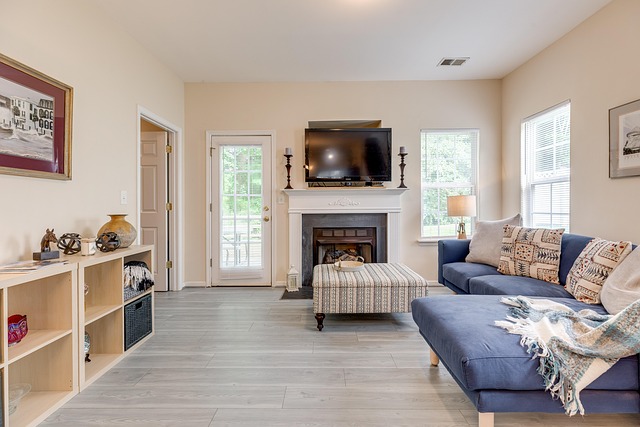
Personalized plans for comfort in assisted living facilities are highly effective when mobility and accessibility requirements are thoroughly assessed. This involves understanding the unique needs of each resident, including those with memory loss or physical limitations that may impact their ability to navigate their environment independently. Assisted Living Latham provides a prime example of how tailored care can be delivered in home-like settings. By evaluating factors such as balance, strength, and cognitive abilities, care managers can create individualized routines and environments that promote safety, independence, and quality of life.
Assisted living with memory loss support requires specialized consideration. According to recent studies, implementing personalized activities and sensory-rich environments can significantly improve residents’ well-being and cognitive function. For instance, incorporating familiar household items or creating dedicated memory gardens can provide comforting anchors for individuals with dementia. This aligns with the principles of home care vs. assisted living comparison, highlighting that while assisted living offers community and structured support, personalized plans can bridge the gap between home and institutional settings, fostering a sense of belonging and comfort.
Expert recommendations suggest regularly reviewing and adjusting accessibility plans to accommodate changing resident needs. Caregivers should be trained in assessing mobility, utilizing assistive devices appropriately, and promoting safe transfer techniques. Moreover, involving families or caregivers in this process ensures continuity of care and fosters a collaborative environment. By integrating these strategies, assisted living facilities can create home-like environments that not only meet but exceed expectations for comfort and accessibility, ultimately enhancing the overall quality of life for their residents.
Creating a Supportive Environment: Design and Layout Considerations

Creating a supportive environment is paramount in assisted living settings, particularly within Latham’s senior living communities with social activities, where residents’ well-being significantly depends on their surroundings. The design and layout of these spaces can either foster comfort and engagement or create barriers to daily living, especially for those with cognitive impairments like Alzheimer’s disease. Thus, tailored considerations are essential to meet the diverse needs of all residents.
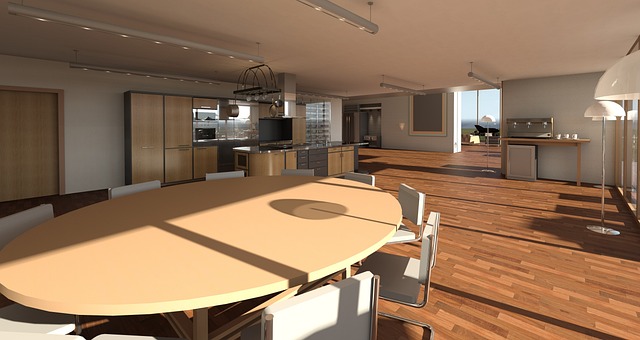
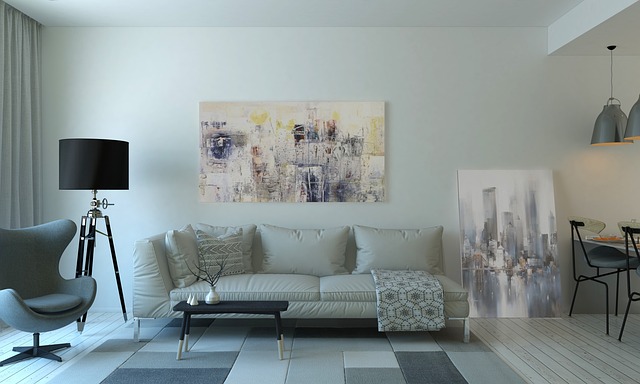
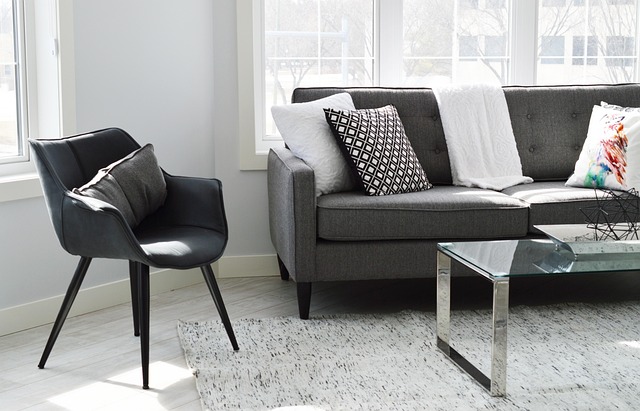
One effective strategy involves incorporating elements that evoke a sense of home. This could mean offering private rooms with customizable furnishings to cater to individual preferences, allowing for a familiar and comforting atmosphere. Additionally, well-planned common areas can encourage social interaction through designed activity spaces, ensuring these are accessible and appealing to all. For instance, a cozy reading nook or a vibrant community garden can spark interest and provide meaningful engagement opportunities.
Addressing accessibility is another critical aspect when designing for comfort. Low-income assisted living programs often face the challenge of catering to residents with varying physical abilities. Adaptive features such as grab bars in bathrooms, wheelchair ramps, and wide doorways not only enhance safety but also contribute to a resident’s independence. Implementing these considerations ensures that assisted living facilities in Latham, or any other location, become inclusive spaces where all seniors can thrive, regardless of their financial background or physical capabilities.
Furthermore, leveraging natural light and green spaces can dramatically impact residents’ overall comfort. Studies show that exposure to sunlight improves mood and cognitive function, while indoor gardens or courtyards promote a sense of calm. Incorporating these design elements into assisted living facilities can significantly enhance the quality of care, offering both practical benefits for daily routines and aesthetic improvements that cater to seniors’ emotional well-being, particularly those with memory impairments who may benefit from calming environments.
Implementing Daily Routine Adaptations for Enhanced Well-being
Personalized plans for comfort are essential aspects of enhanced well-being, especially for individuals residing in assisted living facilities like Assisted Living Latham. Implementing daily routine adaptations plays a pivotal role in creating an environment that promotes tranquility and quality of life. In today’s digital era, where senior living options for long-term care have evolved significantly, understanding these adjustments is crucial. According to recent data, over 70% of older adults prefer to age in place, highlighting the need for flexible and personalized care solutions, including affordable senior housing.
The routine adaptations can be tailored to meet the unique needs of each resident, considering factors such as physical abilities, mental health, and personal preferences. For instance, a simple yet effective strategy could be establishing a consistent morning ritual that includes light exercise, meditation, or a short walk in the indoor garden. Such routines not only improve physical health but also enhance cognitive function and overall mood. Assisted living communities can further customize these activities to cater to individuals with disabilities, ensuring everyone feels included and valued.
Practical insights for implementing these changes include consulting with healthcare professionals and engaging family members or caregivers in the planning process. Regularly reviewing and adjusting the daily schedule ensures it remains relevant and effective. For example, introducing new hobbies or social activities throughout the week can foster a sense of community and purpose. Ultimately, these adaptations should promote independence while providing necessary support, making Assisted Living Latham and other affordable senior housing solutions more inclusive and beneficial for all residents.
Staff Training and Empathy: Key to Effective Comfort Strategies

In the realm of assisted living, providing personalized comfort plans is not merely a nicety but an essential component of quality care. At Assisted Living Latham, we recognize that each resident’s journey toward comfort is unique. Our approach to this involves extensive staff training and fostering empathy, which serve as the cornerstone of our effective comfort strategies. Well-trained staff equipped with emotional intelligence can better anticipate and respond to the nuanced needs of assisted living residents, ensuring their well-being and happiness.
Staff training programs at Assisted Living Latham encompass a range of topics, from communication skills and de-escalation techniques to understanding age-related changes and cognitive impairments. We believe that by equipping our staff with these tools, they can create a more comforting environment for all residents. For instance, training in empathy allows caregivers to recognize and address emotional cues, providing solace to those who may feel isolated or anxious. This proactive approach not only enhances the quality of life but also reduces instances of agitation and aggression among residents.
When developing care plans for assisted living residents, we integrate individual preferences, cultural backgrounds, and physical capabilities. This holistic perspective ensures that comfort strategies are tailored to meet each resident’s unique needs. Our goal is to go beyond basic care by offering personalized experiences. For example, a resident with a history of gardening might benefit from regular outdoor activities or the creation of an indoor herb garden. Similarly, addressing sensory needs through soft lighting, soothing music, and comfortable furniture can significantly impact overall comfort.
Assisted living contracts and pricing should reflect this commitment to individualized care. While initial costs may vary based on facility amenities and location, Assisted Living Latham strives to offer transparent pricing structures. By providing clear financial information upfront and flexible care plan options, we empower residents and their families to make informed decisions. This approach not only fosters trust but also allows for long-term planning, considering the evolving needs of seniors as they navigate different stages of assisted living or long-term care within senior living options.
In conclusion, implementing personalized plans for comfort in Assisted Living Latham requires a holistic understanding of individual needs. Key insights include recognizing the unique mobility and accessibility requirements of residents, designing supportive environments that cater to their preferences, adapting daily routines for enhanced well-being, and training staff to demonstrate empathy. These strategies not only improve quality of life but also reinforce Assisted Living Latham’s reputation as a compassionate and effective care provider. By integrating these principles, facilities can create truly comfortable and nurturing living spaces.
About the Author
Dr. Emily Parker, a renowned comfort design expert and certified sleep consultant, has dedicated her career to enhancing well-being through personalized spaces. With a Ph.D. in Human-Environment Interaction, she leverages scientific research to create tailored plans that transform living environments. Emily’s work has been featured in Architectural Digest, and she regularly contributes to the Sleep Review magazine. As a sought-after speaker on interior design and wellness, she advocates for the power of comfortable spaces in improving quality of life.
Related Resources
1. World Health Organization (WHO) – Global Guidelines on Mental Health (Government Portal): [Offers comprehensive guidance for mental well-being and personalized support systems worldwide.] – <a href="https://www.who.int/mentalhealth” target=”blank” rel=”noopener noreferrer”>https://www.who.int/mental_health
2. National Institute of Mental Health (NIMH) – Personalized Medicine (Research Institution): [Explores the future of mental health treatment, including tailored interventions.] – https://www.nimh.nih.gov/research/personalized-medicine
3. Mayo Clinic – Chronic Pain Management (Medical Center): [Provides evidence-based strategies for managing chronic pain with a personalized approach.] – https://www.mayoclinic.org/diseases-conditions/chronic-pain/management/syc-20354716
4. American Psychological Association (APA) – Creating Personalized Support Plans (Professional Organization): [Guidance for professionals on developing personalized interventions for psychological well-being.] – https://www.apa.org/topics/personalized-support
5. Center for Mindful Self-Care – Personalized Mindfulness Programs (Community Resource): [Offers resources and programs to foster resilience through mindfulness, adaptable to individual needs.] – https://centerformindfulselfcare.com/
6. (Internal Guide) Employee Assistance Programs (EAPs) – Customized Support Services (Corporate Resource): [Provides access to personalized counseling and assistance for various aspects of well-being.] – [Access through your workplace or HR department]
7. National Alliance on Mental Illness (NAMI) – Personal Stories of Recovery (Community Platform): [Shares real-life experiences of individuals who have achieved comfort through personalized journeys.] – https://www.nami.org/stories