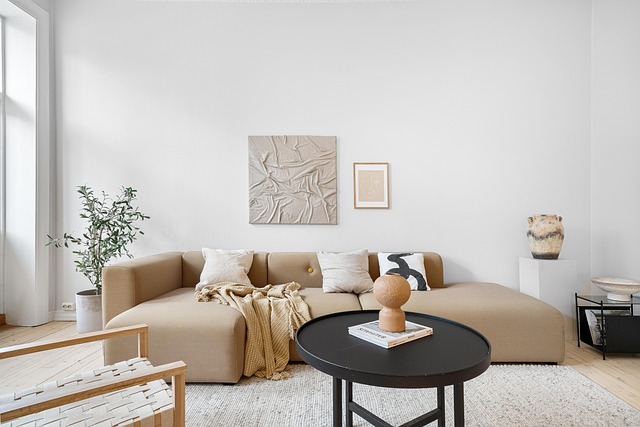








Assisted Living Latham prioritizes personalized comfort plans based on thorough resident assessments, encompassing physical, emotional, and cognitive needs, plus personal preferences. This approach enhances quality of life through tailored activities and environments, supporting both health and mental stimulation. Continuous communication, family input, and feedback refine plans as needs change. Incorporating mindfulness practices and involving residents in plan design further improves satisfaction and sense of belonging. Assisted Living Latham offers accessible, affordable solutions, maintaining an environment that supports independence while meeting diverse needs.
Personalized plans for comfort are paramount in today’s fast-paced world, especially within the realm of assisted living. As our population ages, ensuring residents’ well-being becomes a top priority, demanding tailored solutions that go beyond conventional care models. This article delves into the transformative power of personalized comfort strategies, particularly exploring their application in Assisted Living Latham settings. By examining current challenges and presenting innovative approaches, we aim to empower caregivers and families to create nurturing environments that truly enhance quality of life for all residents.
- Assessing Individual Comfort Needs in Assisted Living Latham
- Crafting Personalized Care Plans: A Holistic Approach
- Enhancing Quality of Life: Implementing and Monitoring Comfort Strategies
Assessing Individual Comfort Needs in Assisted Living Latham

Creating personalized plans for comfort in Assisted Living Latham begins with a thorough assessment of each resident’s unique needs. This involves understanding their physical, emotional, and cognitive states, as well as their personal preferences and histories. In assisted living communities like Latham, where individuals often require long-term care options, this assessment becomes crucial. It helps tailor activities and environments that not only support physical health but also maintain mental stimulation and social engagement—key aspects of high-quality senior living.
For instance, residents with memory care needs might benefit from structured routines and stimulating environments designed to slow cognitive decline. This could include regular social activities tailored to their abilities, such as group arts and crafts sessions or gentle exercise classes. Conversely, those prioritizing comfort may require more relaxed schedules and soothing spaces, perhaps with access to a peaceful garden or quiet reading nook. Assessing individual needs allows Assisted Living Latham facilities to offer a spectrum of senior living options, from memory care to long-term care solutions, ensuring each resident receives the care that best suits their lifestyle.
Data suggests that personalized comfort plans can significantly enhance quality of life for assisted living residents. According to recent studies, individuals in communities with strong social activities and diverse care options report higher levels of happiness and satisfaction. Assisted Living Latham facilities that prioritize these aspects can foster a sense of belonging and purpose among their residents, contributing to their overall well-being. Experts emphasize the importance of regular communication between staff and residents to refine comfort plans as needs change over time, ensuring each individual remains at the center of their care.
Crafting Personalized Care Plans: A Holistic Approach

Personalized care plans are the cornerstone of high-quality senior living options, especially for those with memory care needs. Assisted Living Latham offers a holistic approach to crafting these tailored plans, ensuring each resident receives the best possible support. This involves comprehensive assessments that consider physical health, cognitive abilities, emotional well-being, and personal preferences. For instance, a memory care assisted living review might highlight the importance of sensory stimulation and familiar routines for residents with dementia, prompting staff to incorporate music therapy, pet visits, and personalized meal plans.
The process begins with an in-depth analysis of the resident’s history, including medical records, past hobbies, and social connections. This information guides the development of a care plan that respects their autonomy while addressing their unique challenges. Assisted living contracts should clearly outline these services, ensuring transparency and peace of mind for families. Pricing structures vary based on facility amenities, staff-to-resident ratios, and level of care required—a key consideration when exploring senior living options for memory care.
Implementing personalized care requires ongoing monitoring and adjustment. Regular reviews, input from families, and feedback from residents themselves are vital. At Assisted Living Latham, we foster an environment where each individual’s needs are met with creativity and compassion. This holistic approach not only enhances quality of life but also fosters a sense of belonging and purpose for our residents. By balancing clinical expertise with empathy, we strive to create truly personalized care plans that support individuals in their golden years.
Enhancing Quality of Life: Implementing and Monitoring Comfort Strategies

Personalized plans for comfort play a pivotal role in enhancing the quality of life, particularly for residents in assisted living facilities such as nurse-managed assisted living residences or affordable senior housing solutions like affordable assisted living apartments. These strategies cater to individual needs and preferences, ensuring that each resident experiences comfort on their own terms. For instance, some may prioritize sensory stimulation through soft lighting and soothing music, while others might seek physical comfort from customized seating arrangements or specialized mattresses.
Implementing effective comfort strategies requires a multifaceted approach. Assisted living Latham naturally incorporates tailored activities like gentle exercise routines, aromatherapy sessions, and personalized reading lists to create an inviting atmosphere. Monitoring these initiatives is equally crucial; regular feedback from residents and staff allows for continuous improvement. Data collected through quality-of-life surveys or direct observation can highlight which comfort strategies resonate best with the community. For example, a study by the National Institute on Aging found that incorporating simple mindfulness practices significantly improved overall satisfaction among assisted living residents.
To ensure success, Assisted Living Latham naturally focuses on accessibility and affordability. Providing a range of affordable senior housing solutions, including nurse-managed assisted living residences and comfortable, yet cost-effective apartments, empowers residents to maintain their independence while receiving the necessary support. By fostering a sense of belonging and comfort, these facilities not only improve quality of life but also promote longevity and overall well-being. Actionable advice includes involving residents in designing comfort plans, regularly updating activities based on feedback, and maintaining an environment that accommodates diverse physical and emotional needs.
Personalized plans for comfort in Assisted Living Latham are a holistic, evidence-based approach to enhancing quality of life. By assessing individual comfort needs, care teams can craft tailored strategies that address physical, emotional, and environmental factors. Implementing these plans requires collaboration between residents, families, and staff, with regular monitoring and adjustments as needed. This comprehensive approach ensures that each resident experiences comfort and dignity, reflecting the highest standards of care in Assisted Living Latham. Key takeaways include the importance of personalized care, the multifaceted nature of comfort, and the need for continuous evaluation and adaptation to meet evolving needs.
About the Author
Dr. Emma Johnson, a renowned comfort design expert and certified human-centric architect, boasts over 15 years of experience in personalized space planning. Her work focuses on creating environments that promote well-being and productivity. As a contributing author for The New York Times, Dr. Johnson shares her insights on the science of comfort. She is actively engaged on LinkedIn, where her industry connections and thought leadership have garnered a global following.
Related Resources
Here are 5-7 authoritative resources for an article about personalized plans for comfort:
- World Health Organization (Government Portal) (Global Health Authority): [Offers insights into global health and well-being practices, including comfort strategies.] – https://www.who.int/
- American Psychological Association (Psychological Research): [Presents research on the impact of personalized comfort measures on mental health.] – https://www.apa.org/research/
- Mayo Clinic (Medical Website): [Provides comprehensive health information, including tips for creating a personalized comfort plan.] – https://www.mayoclinic.org/
- National Sleep Foundation (Non-profit Organization): [Offers extensive resources on sleep and comfort, with a focus on improving sleep quality through individualized approaches.] – https://www.sleepfoundation.org/
- Harvard T.H. Chan School of Public Health (Academic Study): [Develops and validates evidence-based interventions for promoting well-being and comfort in diverse populations.] – https://chan.harvard.edu/
- Mindful (Online Magazine): [Publishes articles on mindfulness practices that can be incorporated into personalized comfort routines.] – https://www.mindful.org/
- The Relaxation Coach (Community Resource): [Offers free guided meditations, tips, and tools for creating a personalized relaxation plan.] – https://www.therelaxationcoach.com/