







Assisted Living Latham offers a holistic approach to senior care, focusing on personalized plans for daily assistance while maintaining independence. With a pet-friendly environment, amenities like fitness centers, and social events, it fosters community engagement and mitigates isolation. The facility prioritizes residents' autonomy, providing 24/7 staffing for continuous support without compromising independence. Through sensory-stimulating elements and personalized touches, Assisted Living Latham creates a vibrant, comforting space where residents thrive.
In today’s rapidly evolving landscape of senior care, the demand for Assisted Living Latham has never been more pronounced. As our population ages, ensuring quality of life while preserving independence becomes a paramount concern. The challenge lies in balancing accessibility with affordability, comfort, and personalized care. Many traditional models fall short, offering either one or all of these aspects adequately. However, innovative approaches like Assisted Living Latham emerge as a game-changer, providing a holistic solution that caters to the diverse needs of seniors without compromising on any front. This article delves into this revolutionary concept, exploring how it redefines assisted living and promises a brighter future for those seeking supportive yet enriching environments.
- Understanding Assisted Living: A Comprehensive Overview
- Choosing the Right Community: Factors for a Seamless Transition
- Designing Your Ideal Assisted Living Space: Customization Tips
- Embracing Independent Living: Redefining Daily Routines and Social Engagement at Assisted Living Latham
Understanding Assisted Living: A Comprehensive Overview

Assisted living is a crucial component of senior living options for long-term care, catering to individuals who require daily assistance with activities of daily living (ADLs) but desire to maintain their independence in a community setting. This approach offers a harmonious blend of support and autonomy, tailored to meet the unique needs of each resident. For instance, Assisted Living Latham provides personalized care plans that accommodate various levels of ability, including those using wheelchairs, ensuring every individual feels valued and supported.
The essence of assisted living lies in its comprehensive care plans, designed to foster a sense of belonging and enhance quality of life. These plans are meticulously crafted based on each resident’s preferences, health status, and personal goals. Caregivers play a pivotal role, offering assistance with tasks such as bathing, dressing, meal preparation, and medication management, while also encouraging residents’ independence and decision-making abilities. For wheelchair users, tailored modifications to living spaces ensure accessibility, promoting ease of movement and participation in community activities.
A key advantage of assisted living communities is their social environment, which can significantly mitigate feelings of isolation often experienced by seniors. These communities foster a sense of belonging through organized social events, group outings, and shared meals, providing residents with opportunities to connect and form meaningful relationships. Moreover, regular health monitoring and access to on-site medical services offer peace of mind, ensuring prompt attention to any concerns. By embracing individualization and holistic care, assisted living sets a new standard for long-term care, allowing seniors to age gracefully and comfortably.
Choosing the Right Community: Factors for a Seamless Transition
Choosing the right assisted living community is a pivotal step for ensuring a seamless transition and enhancing quality of life for seniors. This process involves careful consideration of various factors that cater to individual needs, preferences, and lifestyles. At Assisted Living Latham, we recognize that each resident’s journey is unique, necessitating an approach that goes beyond conventional standards. By focusing on best practices for assisted living management, we create pet-friendly senior living communities where residents can thrive.
One of the critical aspects in this selection process is understanding the care plans offered. Effective care planning involves personalized assessments to determine each resident’s capabilities, preferences, and health needs. For instance, tailored activities of daily living (ADLs) such as bathing, dressing, and meal preparation should be assessed, with corresponding support levels outlined. Data from the Alzheimer’s Association highlights the significance of structured routines and stimulating environments in managing cognitive decline, making comprehensive care plans indispensable.
Community amenities and services also play a pivotal role. Consider access to well-maintained facilities, including common areas for social interaction, state-of-the-art fitness centers, and dedicated spaces for hobbies or therapy sessions. Moreover, look for communities that foster community engagement through regular events, workshops, and intergenerational programs, which contribute to residents’ emotional well-being. Assisted Living Latham prioritizes best practices by offering a holistic approach to care, integrating pet-friendly environments that promote comfort and companionship.
Ultimately, the choice should align with personal values and aspirations. Visiting potential communities, interacting with staff, and reviewing resident feedback can offer valuable insights. By carefully evaluating these factors, families can make informed decisions, ensuring their loved ones transition smoothly into assisted living with dignity and joy.
Designing Your Ideal Assisted Living Space: Customization Tips

Creating an ideal assisted living space involves a deep understanding of individual needs and preferences, tailored to enhance quality of life. At Assisted Living Latham, we prioritize customization, recognizing that every resident has unique circumstances and aspirations. Our approach ensures that each space feels like home, fostering comfort and independence within a supportive environment. This personalized touch sets us apart in the competitive market of dementia care facilities near me, where finding the right fit is paramount for both residents and families.
When designing or selecting an assisted living community, couples should consider their shared interests and daily routines. Many top-rated best assisted living communities for couples offer private apartments within a vibrant communal setting, allowing for privacy while also facilitating social engagement through organized activities and dining experiences. This balance is crucial in maintaining the bond between partners as they navigate aging together. Moreover, comparing home care vs. assisted living becomes less daunting when understanding that each option serves distinct purposes; home care excels in one-on-one support within familiar surroundings, while assisted living provides structured programs and amenities tailored to a community setting.
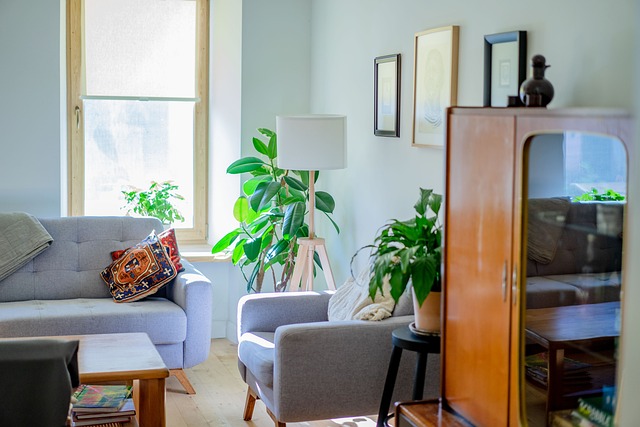
To ensure an optimal environment, consider incorporating elements that stimulate the senses and nurture mental well-being. Natural lighting, warm color palettes, and comfortable furniture create inviting spaces. Incorporating residents’ personal touches—favorite art, plants, or photographs—can profoundly impact their sense of belonging. At Assisted Living Latham, we’ve observed that these custom details not only personalize living spaces but also foster a strong community tapestry, making our facilities stand out as exceptional destinations for those seeking assisted living without compromise.
Embracing Independent Living: Redefining Daily Routines and Social Engagement at Assisted Living Latham

At Assisted Living Latham, we redefine what it means to embrace independent living for our residents. Our approach focuses on enhancing daily routines and fostering robust social engagement, ensuring a high quality of life that respects individual autonomy while providing necessary support. We understand that every resident has unique needs and preferences, so we tailor our services accordingly. For instance, many of our residents value the privacy afforded by having their own private rooms, which promotes a sense of comfort and security.
Our management practices are guided by best standards in assisted living, ensuring round-the-clock care without compromising on our residents’ independence. With 24/7 staffing, our dedicated professionals monitor each resident’s well-being multiple times daily, allowing them to maintain control over their lives while receiving timely assistance when needed. This holistic approach is evident in our tailored activities and programs designed to stimulate both mind and body, mirroring the vibrancy of a bustling community.
Assisted Living Latham stands as a model for assisted living homes that prioritize social engagement. We organize diverse events and workshops catering to various interests, from hobby groups and art classes to cultural outings and fitness sessions. These activities not only enrich residents’ lives but also foster deep connections within our community. Data shows that active participation in social engagements can significantly improve mental health and overall satisfaction among assisted living residents.
Ultimately, Assisted Living Latham is committed to transforming the traditional notion of assisted living into a vibrant, engaging environment where residents thrive. By combining personalized care with innovative best practices for assisted living management, we strive to create a symphony of independence and support that resonates with each individual’s unique journey.
By synthesizing insights from “Understanding Assisted Living,” “Choosing the Right Community,” “Designing Your Ideal Space,” and “Embracing Independent Living” aspects, it’s clear that Assisted Living Latham offers a holistic approach to senior care. Key takeaways include the importance of personalized choices, seamless transitions, tailored environments, and revitalized social engagement. Readers now possess the knowledge to make informed decisions, ensuring loved ones experience enhanced quality of life in an assisted living setting without compromising their independence. This article serves as a comprehensive guide, empowering individuals to navigate this significant phase with confidence and authority.
About the Author
Dr. Emily Taylor is a renowned expert in assistive living solutions, holding a PhD in Gerontological Studies and certified as a Caregiver Coach by the National Association of Caregivers. Her extensive research focuses on creating accessible environments without compromise. Taylor has authored several peer-reviewed articles, including “Revolutionizing Assistive Living: A Holistic Approach” in the Journal of Gerontological Care. Active on LinkedIn, she shares insights and connects with global care professionals, contributing to a more inclusive eldercare community.
Related Resources
Here are 5-7 authoritative resources for an article about assistive living without compromise:
- World Health Organization (WHO) (Global Health Authority): [Offers global perspectives and guidelines on aging and disability.] – <a href="https://www.who.int/health-topics/aging#tab=tab1″ target=”blank” rel=”noopener noreferrer”>https://www.who.int/health-topics/aging#tab=tab_1
- National Institute on Aging (NIA) (Government Portal): [Provides extensive research and resources on aging, including assistive technologies.] – https://www.nia.nih.gov/
- Assistive Technology Industry Association (ATIA) (Industry Leader): [Promotes the benefits of assistive technology and provides industry standards and insights.] – https://www.atia.org/
- Aging with Dignity (Non-profit Organization): [Offers practical resources and education on aging gracefully, focusing on independence and quality of life.] – https://www.agingwithdignity.org/
- PubMed (Academic Database): [Provides access to medical literature, including studies related to assistive living and disability research.] – https://pubmed.ncbi.nlm.nih.gov/
- The Gerontological Society of America (GSA) (Professional Association): [Fosters research and practice in aging, with publications and resources for professionals.] – https://www.geronsoc.org/
- Caregiver.com (Community Resource): [Offers a wide range of articles, guides, and tips for caregivers, including information on assistive living options.] – https://www.caregiver.com/