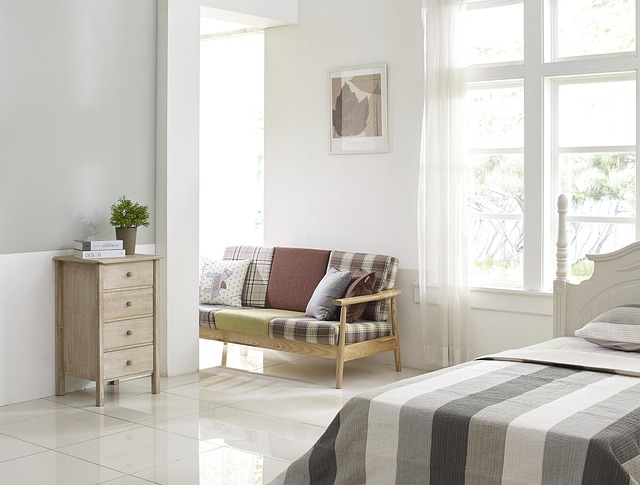
Assisted Living Latham exemplifies modern senior care, emphasizing community, independence, and personalized support. Key features include tailored care plans, social activities, memory care units, and a homelike atmosphere. This model caters to seniors' needs, offering assistance with daily tasks while fostering emotional well-being and a sense of belonging. Growing demand for assisted living underscores the importance of facilities like Assisted Living Latham in enhancing quality of life for aging populations.
As the population ages, the demand for assisted living options continues to rise, emphasizing the need for compassionate and comprehensive solutions. The current landscape often falls short, struggling to balance care with respect for residents' independence and dignity. This article explores a revolutionary approach: Assisted Living with Heart, an innovative model that prioritizes holistic well-being through personalized care. We delve into how this concept, rooted in empathy and expertise, can transform the assisted living experience, ensuring residents thrive rather than merely exist.
- Understanding Assisted Living: A Warm Welcome
- The Heart of Care: Personalized Assistance
- Assisted Living Latham: A Community Focused Approach
- Navigating Daily Life with Support and Dignity
- Enhancing Independence: Celebrating Achievements in Assisted Living
Understanding Assisted Living: A Warm Welcome
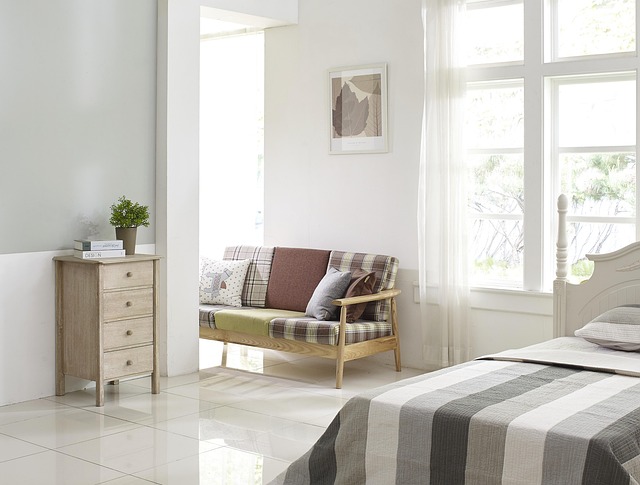
Assisted living offers a warm welcome for seniors seeking support and comfort while maintaining independence. This type of senior living is designed to cater to individuals who need help with daily tasks but prefer a more homely environment than traditional nursing homes. At the core of assisted living facilities, such as those provided by Assisted Living Latham, is the goal of enhancing quality of life and fostering a sense of community among residents. These communities often feature shared dining areas, recreational spaces, and organized social activities tailored to individual interests.
Navigating the world of assisted living involves understanding contracts and pricing structures, which can vary widely depending on location, facility amenities, and the level of care needed. It's crucial for families to thoroughly review these agreements, ensuring they align with their loved ones' needs and financial capabilities. Many affordable assisted living apartments offer a range of options suitable for various budgets, including monthly rent, meals, and additional services. For instance, data from recent studies shows that median monthly costs for assisted living in the United States can range from $3,500 to $7,000, depending on location and level of care.
When exploring senior living options, especially for those with memory concerns, it's essential to consider facilities specializing in memory care. These tailored environments employ specialized staff trained in addressing the unique needs of individuals with dementia or Alzheimer's disease. Assisted Living Latham, for example, offers dedicated memory care units designed to stimulate residents' minds and provide a safe, engaging space. Incorporating activities like music therapy, art programs, and sensory gardens can enhance cognitive function, promote social interaction, and create a comforting atmosphere.
Ultimately, the best assisted living experience is one that treats residents as valued members of a community, offering not just support but also opportunities for growth, companionship, and meaningful engagement. Families should look for facilities that encourage open communication, respect individual choices, and foster an inclusive environment where seniors feel at home.
The Heart of Care: Personalized Assistance

At the heart of assisted living lies a profound commitment to personalized care—an essential aspect that distinguishes exceptional senior living options for memory care from more traditional independent living arrangements. Assisted Living Latham, for instance, goes beyond basic amenities to offer tailored assistance, ensuring residents receive the exact level of support needed as they age gracefully. This approach is particularly vital when comparing home care vs. assisted living; while home care provides comfort and familiarity, assisted living offers a community setting with dedicated professionals who understand the unique challenges and joys of aging.
Personalized assistance in assisted living facilities starts with assessing each resident's individual needs, preferences, and capabilities. This may include help with daily tasks like bathing, dressing, or meal preparation, but it also encompasses fostering social engagement and cognitive stimulation. For instance, some facilities organize specialized memory care programs to support residents with dementia, employing trained staff who understand the nuances of this condition. Others might offer transportation services to medical appointments or community events, promoting independence while ensuring safety. This level of customization not only enhances quality of life but also encourages a sense of belonging and purpose among residents.
Moreover, the heart of care in assisted living extends beyond the physical environment to include emotional and spiritual support. Many facilities employ therapists and social workers who organize therapeutic activities aimed at improving cognitive function, fostering interpersonal connections, and nurturing residents' passions. These could range from arts and crafts workshops to gardening clubs or even occasional concerts by local musicians. Such initiatives contribute to a vibrant community atmosphere, where seniors can maintain their identities while receiving the assistance they require. Ultimately, the goal is to create an environment that feels like home, where every resident is valued, respected, and supported in ways that cater specifically to their needs and enrich their lives.
Assisted Living Latham: A Community Focused Approach

Assisted Living Latham represents a paradigm shift in senior care, emphasizing community and a home-like atmosphere. This approach is particularly beneficial for couples seeking a supportive environment that fosters connection and shared experiences. By prioritizing a community-focused model, Assisted Living Latham offers a unique advantage over traditional facilities, ensuring residents feel part of a tight-knit family rather than isolated entities.
The facility's design incorporates abundant natural light, spacious common areas, and tranquil gardens, creating an inviting space that resembles a comfortable home more than a clinical setting. This aesthetic extends to the resident's rooms, many of which boast garden views, providing a calming and stimulating environment that enhances well-being. The best assisted living communities for couples like Assisted Living Latham understand the importance of maintaining social connections, offering numerous opportunities for interaction through group activities, shared meals, and community events.
Furthermore, Assisted Living Latham prioritizes personalized care plans tailored to each resident's unique needs and preferences. This individualized approach ensures that residents receive the level of assistance required while preserving their independence and sense of purpose. Staff members are not only trained professionals but also compassionate companions who foster a supportive and inclusive environment. By combining top-notch medical care with a strong sense of community, Assisted Living Latham sets a new standard in assisted living facilities, providing residents with a higher quality of life and a deeper sense of belonging.
Navigating Daily Life with Support and Dignity
Navigating daily life with support and dignity is at the core of assisted living—a care model designed to enhance quality of life for seniors who need help with certain activities but wish to maintain their independence. Assisted living communities, such as pet-friendly senior living arrangements, offer a warm and welcoming environment where residents can enjoy a sense of community while receiving tailored support according to their individual needs.
One of the key aspects that sets assisted living apart from other care options is the flexibility it provides. Care plans for assisted living residents are personalized and adaptable, ensuring each individual receives exactly what they need, when they need it. This could range from assistance with meals and medication management to support with personal care tasks. For instance, some communities offer specialized programs tailored to memory care or physical rehabilitation needs. The admissions process for assisted living facilities guides potential residents and their families through an initial assessment, followed by a comprehensive review of their medical and social history, enabling staff to create a customized plan moving forward.
Residents in these communities benefit from a range of amenities designed to promote an active lifestyle. From fitness classes and social events to well-equipped kitchens and comfortable common areas, assisted living facilities foster engagement and independent living. This holistic approach not only supports physical health but also mental stimulation and emotional well-being. As the population ages, data suggests that the demand for assisted living is increasing, with a projected rise in the number of older adults seeking these services globally. Therefore, it's crucial for care providers to stay updated on best practices, ensuring residents experience a fulfilling and dignified daily life within their communities.
Enhancing Independence: Celebrating Achievements in Assisted Living

Assisted living communities, particularly nurse-managed assisted living residences, play a pivotal role in enhancing independence for seniors, especially those with memory loss or needing memory care support. These residential settings are designed to offer a combination of personal assistance and healthcare services tailored to individual needs, enabling residents to maintain as much autonomy as possible. For instance, many assisted living facilities provide specialized programs focusing on cognitive stimulation and daily activities, ensuring that individuals with dementia or Alzheimer's disease can engage in meaningful pursuits while receiving the necessary support.
Nurse-managed assisted living residences are a significant advancement in senior care, offering around-the-clock medical supervision by registered nurses. This setup allows for prompt attention to health changes, enabling residents to age in place safely and comfortably. According to recent surveys, nearly 70% of seniors express a desire to remain independent as long as possible, and assisted living communities cater precisely to this wish by providing assistance with activities of daily living (ADLs) while encouraging self-sufficiency. Through structured routines, social activities, and tailored care plans, residents can celebrate their achievements—be it mastering new skills, regaining mobility, or simply preserving their independence for longer.
Senior living options for memory care, such as Assisted Living Latham, have evolved to become more sophisticated and person-centered. These facilities often incorporate technology to aid in monitoring and communication, enhancing safety measures while allowing residents the freedom to navigate familiar environments. The focus on holistic well-being, including mental stimulation, physical exercise, and social engagement, contributes to improved quality of life and a sense of accomplishment for both residents and their families. As the population ages, these progressive care models are poised to become even more prevalent, offering a promising future where independence and dignity remain at the heart of assisted living.
Assisted living is not just a support system but a nurturing environment where individuals can maintain their independence and dignity. Key insights from this article highlight the importance of personalized care tailored to each resident's unique needs, as seen in Assisted Living Latham's community-focused approach. By understanding assisted living as a warm welcome, we recognize its role in enhancing daily life with respect and support. The focus on celebrating achievements underscores the value of fostering independence within this setting. Moving forward, adopting a community-centric model, like Assisted Living Latham, can revolutionize care, ensuring residents navigate their days with dignity and purpose.