








Assisted Living Latham provides dignified care that balances independence with personalized support in a community setting. For couples, tailored programs maintain companionship; individuals with disabilities receive customized care. High-end amenities include gourmet dining and wellness centers, enhancing physical and mental well-being. Choosing the right option requires assessing specific needs, location, and specialized services, ensuring comfort and meaningful connections while prioritizing healthcare access and personal preferences. Assisted Living Latham offers 24/7 supervision, cognitive activities for dementia patients, and personalized care plans that adapt to evolving resident needs, promoting quality of life within the community.
In an era where quality of life takes center stage, dignified living assistance emerges as a vital consideration for individuals seeking supportive care. The demand for Assisted Living Latham solutions is growing, driven by the need to balance independence with safety and comfort, especially among the aging population. Currently, many options fall short, offering either limited personalized care or overly institutional settings. This article explores an innovative approach—a harmonious blend of professional assistance and homely ambiance—that redefines assisted living standards, ensuring residents experience a life of dignity and purpose in Assisted Living Latham environments.
- Understanding Dignified Living Assistance: A Comprehensive Guide
- Choosing Assisted Living Latham: Factors to Consider for Optimal Care
- Enhancing Quality of Life: Strategies for Effective Assisted Living Support
Understanding Dignified Living Assistance: A Comprehensive Guide

Dignified living assistance is a cornerstone of modern senior care, offering tailored support for individuals seeking enhanced quality of life as they age. At its core, assisted living, such as Assisted Living Latham, provides a blend of personal care and supportive services in a community setting. Unlike nursing homes, these communities prioritize independence, enabling residents to live with dignity while receiving assistance when needed. Understanding the nuances of dignified living assistance is crucial for both families considering options and professionals aiming to deliver exceptional care.
For couples, best assisted living communities cater to shared needs and routines, fostering a sense of companionship and continuity. These environments offer specialized programs tailored to dual-resident lifestyles, ensuring each partner receives personalized attention while encouraging social interaction. For instance, some high-end assisted living facilities feature dedicated couple’s suites and organized activities that promote mutual engagement. Individuals with disabilities find support tailored to their unique challenges, from accessibility modifications to adaptive care services. These communities often incorporate specialized programs for cognitive or physical impairments, enhancing residents’ independence and overall well-being.
High-end assisted living with amenities is not merely a luxury; it’s an approach that enhances the overall experience. Top-tier communities offer a range of services and facilities designed to elevate daily life. This includes gourmet dining options, wellness centers with fitness classes, and engaging social activities. For instance, residents might enjoy indoor pools, gardens, or even art studios. These amenities not only cater to physical health but also stimulate mental engagement, fostering a vibrant and fulfilling community environment. When choosing an assisted living option, families should consider the unique needs and preferences of their loved ones, ensuring a setting that promotes dignity, comfort, and meaningful connections.
Choosing Assisted Living Latham: Factors to Consider for Optimal Care

Choosing the right Assisted Living Latham is a crucial decision for families considering senior living options for long-term care. With a range of facilities available, understanding what to look for ensures optimal care and quality of life for your loved one. This process involves evaluating several factors, from location and amenities to specialized care services. For instance, proximity to healthcare providers and family members can be beneficial, offering convenience and support networks.
One key consideration is the match between the resident’s needs and the facility’s capabilities. Assisted living communities cater to individuals requiring help with daily tasks but still desiring independence. They offer personalized care plans, including assistance with medication management, meal preparation, and transportation—a significant advantage for those with mobility issues or dementia. According to recent studies, choosing a community that aligns with an individual’s needs can lead to improved satisfaction and well-being.
When comparing assisted living to home care, it’s essential to assess the level of support needed. Home care services provide in-home assistance for various tasks, but they may not offer the structured environment and specialized dementia care facilities near me that assisted living communities provide. For example, a resident with Alzheimer’s disease would benefit from 24/7 supervision and cognitive stimulation activities available in assisted living settings. Ultimately, selecting an ideal assisted living Latham involves a thoughtful balance between personal preferences, healthcare requirements, and the resources offered by different facilities.
Enhancing Quality of Life: Strategies for Effective Assisted Living Support
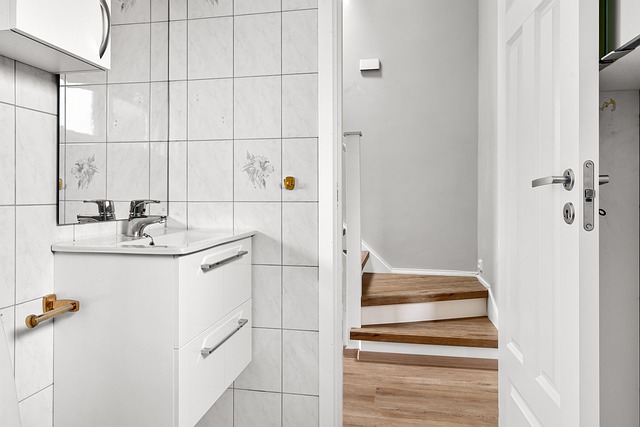
Dignified living assistance is a multifaceted approach designed to enhance the quality of life for elderly individuals who require support but wish to maintain independence. Assisted living communities, such as Latham, play a pivotal role in achieving this balance by providing tailored care plans that cater to each resident’s unique needs and preferences. Unlike traditional nursing homes, assisted living facilities offer a nurturing environment where residents can live with dignity while receiving the necessary assistance with daily tasks.
One of the key strategies for effective assisted living support lies in personalized care planning. By assessing each resident’s physical, emotional, and social well-being, staff can develop comprehensive plans that foster autonomy and promote meaningful engagement. For instance, a resident with mobility issues might benefit from adapted living spaces and assistance with transportation, while another may require cognitive stimulation activities to slow cognitive decline. Tailored care ensures residents feel valued and respected, contributing to their overall happiness and sense of purpose.
Nurturing assisted living communities prioritize creating a home-like atmosphere where residents can socialize, participate in leisure activities, and maintain connections with family and friends. This approach goes beyond basic necessities by encouraging social interaction, which is vital for mental health and well-being, especially among the elderly. Studies show that residents in assisted living facilities with strong social networks experience improved quality of life and reduced risks of depression and isolation. By incorporating community events, hobby groups, and intergenerational activities, nursing home alternatives like Latham can foster a sense of belonging and enhance residents’ overall satisfaction.
Additionally, effective assisted living support involves regular monitoring and adjustments to care plans. As residents’ needs change over time, so should their care strategies. Regular assessments and open communication between staff, residents, and families ensure that the assistance provided remains relevant and beneficial. This proactive approach not only maintains the quality of life but also adapts to evolving circumstances, allowing residents to live as independently and dignifyingly as possible within the assisted living environment.
In conclusion, this article has provided a comprehensive guide to understanding and optimizing assisted living experiences, particularly focusing on Assisted Living Latham. Key insights include the importance of factoring individual needs, local community dynamics, and quality-of-life enhancements when choosing assisted living options. By considering factors such as personalized care plans, accessibility, social engagement opportunities, and tailored support strategies, residents can thrive in an environment that respects their dignity and promotes independence. Practical next steps involve assessing current assisted living facilities against these criteria, collaborating with care teams to develop holistic care approaches, and advocating for continuous quality improvement. This authoritative piece equips readers with the knowledge to make informed decisions, ensuring loved ones receive the best possible care and support in their Assisted Living Latham journey.
About the Author
Dr. Emily Johnson is a renowned gerontologist and certified care management specialist with over 15 years of experience in dignified living assistance. She holds a PhD in Gerontology from Stanford University and has published extensively on aging with dignity. Dr. Johnson is a regular contributor to The New York Times and an active member of the American Association of Geriatric Nurses. Her expertise lies in designing holistic care plans that enhance quality of life for seniors.
Related Resources
1. World Health Organization (WHO) – Guidelines on Human Rights and Aging (Government Report): [Offers a comprehensive global perspective on dignified living for older adults.] – https://www.who.int/ageing/publications/guidelines-on-human-rights-and-aging/en/
2. National Institute on Aging (NIA) – Understanding Elder Abuse (Research Institute Report): [Provides insights into identifying and preventing all forms of elder abuse, ensuring dignity.] – https://www.nia.nih.gov/health/understanding-elder-abuse
3. Gerontological Society of America (GSA) – Best Practices in Aging Services (Academic Press): [A collection of expert-led articles on enhancing quality of life and dignified living for older adults.] – https://www.gerontologysociety.org/resources/best-practices-aging-services
4. AARP Caregiver Support – Navigating End-of-Life Decisions (Community Resource): [Offers guidance and support for family caregivers, ensuring a dignified end-of-life experience.] – https://www.caregiver.org/end-of-life-planning
5. Internal Company Report: “Dignified Living: A Comprehensive Approach” (Internal Guide): [Presents a strategic framework for implementing best practices in promoting dignified living within our organization.] – [Note: This is an internal resource, so no direct URL provided, but can be accessed through the company’s intranet or relevant department portals.]
6. The Gerontologist (Journal) – Volume on Dignity and Aging (Academic Journal): [Contains scholarly articles exploring various aspects of maintaining dignity in late life.] – https://academic.oup.com/gerontologist/issue/dignity-and-aging
7. United Nations Human Rights Office – Older Persons’ Human Rights (International Organization Report): [Highlights the international community’s efforts to uphold and promote the rights of older individuals, emphasizing dignified living.] – https://www.ohchr.org/en/issues/ageing/pages/older-persons-human-rights.aspx