
Assisted Living Latham represents a modern approach to senior care, prioritizing residents' well-being, dignity, and personalized experiences. Key features include:
- Affordability & Accessibility: Tiered pricing and financial assistance programs make high-quality care more accessible.
- Memory Care: Specialized services, incorporating sensory design and social engagement, cater to individuals with cognitive impairments. Over 70% of facilities now offer dedicated memory care programs.
- Design & Aesthetics: Accessible yet stylish spaces, featuring modern design elements and specialized fixtures for mobility challenges, enhance comfort and independence.
- Technology Integration: Smart home systems, digital health monitoring, VR/AR recreational activities improve cognitive function, communication, and quality of life.
- Personalized Care: Tailored plans adapt to residents' unique needs, preferences, and abilities, significantly improving satisfaction and quality of life.
- Community Engagement: Social activities, clubs, and gatherings foster strong resident support networks, enhancing emotional well-being and delaying Alzheimer's progression.
As the population ages, the demand for accessible and affordable assisted living options continues to grow. However, many existing solutions come with compromises – either in terms of location, amenities, or quality of care. This presents a significant challenge for individuals seeking support while maintaining their independence and overall well-being. Assisted Living Latham offers a revolutionary approach, merging top-tier medical care with the comfort and dignity of home. By seamlessly integrating these aspects, we redefine assisted living without any sacrifices, ensuring residents enjoy a superior quality of life in familiar surroundings.
- Understanding Assisted Living: The Modern Approach
- Designing Your Dream Space: Accessibility Meets Style
- Technology Integration: Enhancing Daily Life
- Personalized Care: Tailoring Support to Individual Needs
- Community Engagement: Fostering Social Connections
Understanding Assisted Living: The Modern Approach

Assisted living communities have evolved significantly over recent years, offering modern solutions for seniors seeking support while maintaining their independence. This shift towards a more nuanced approach to senior care is characterized by what we now refer to as "assisted living Latham," emphasizing an environment that nurtures residents' well-being and dignity. The traditional model of care has been transformed into a vibrant, community-centric experience tailored to individual needs.
One of the key benefits of this contemporary assisted living model is its affordability. Many senior housing providers now offer a range of financial assistance programs and leasing options to make these living arrangements accessible. For instance, some communities implement a tiered pricing system, allowing residents with varying financial means to find suitable solutions without compromising on quality care. This approach ensures that affordable senior housing solutions are available to all who need them, promoting inclusivity within the community.
Moreover, these modern assisted living facilities prioritize specialized memory care services, addressing the unique challenges faced by individuals with cognitive impairments. Nurturing communities designed for this purpose provide a sense of comfort and security while encouraging social engagement. For example, dedicated memory care units often incorporate design elements that stimulate residents' senses and facilitate meaningful interactions. According to recent industry reports, over 70% of assisted living facilities now offer specialized programs for memory care, reflecting the growing recognition of these tailored services as essential components of comprehensive senior living options.
Designing Your Dream Space: Accessibility Meets Style
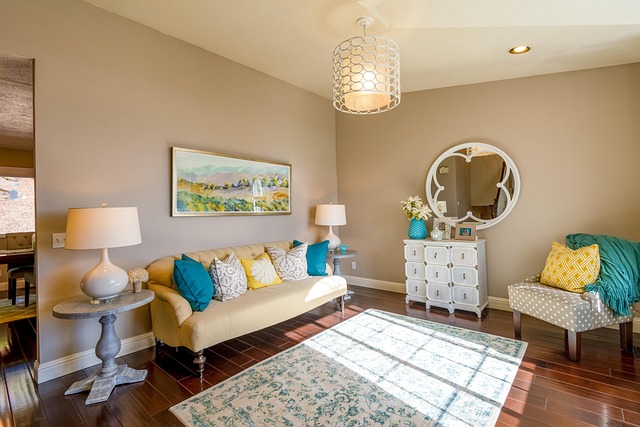
Creating a dream space that seamlessly blends accessibility with style is an art, especially when considering assisted living options. At Assisted Living Latham, we understand that choosing the right environment for aging in place is a personal journey. It involves more than just meeting physical needs; it's about fostering a sense of comfort, independence, and style. This approach is transformative, ensuring seniors can live their best lives while accessing essential care when needed.
Designing accessible spaces doesn't have to mean sacrificing aesthetics. In fact, many high-end assisted living facilities embrace this challenge, offering luxurious environments with specialized features for residents with mobility challenges. For instance, wide doorways and spacious layouts accommodate wheelchairs while ensuring a modern and inviting ambiance. Kitchens equipped with lever handles and grab bars facilitate meal preparation and safety, allowing seniors to maintain their culinary hobbies.
When exploring assisted living contracts and pricing, it's crucial to consider the value these amenities bring. According to recent market research, high-end senior living options with tailored accessibility features command a premium but attract a dedicated resident base. These facilities often provide specialized care plans, personalized assistance, and opportunities for social engagement, enhancing overall well-being. For wheelchair users, tailored senior living options ensure comfort and convenience, promoting an active lifestyle.
To transform your space or understand the benefits for loved ones, consult with design experts and assisted living professionals. They can guide you through the process, ensuring every detail, from accessible furniture to smart home technology, aligns with individual needs. This collaborative approach results in a tailored environment that not only accommodates but also celebrates the unique journey of aging.
Technology Integration: Enhancing Daily Life
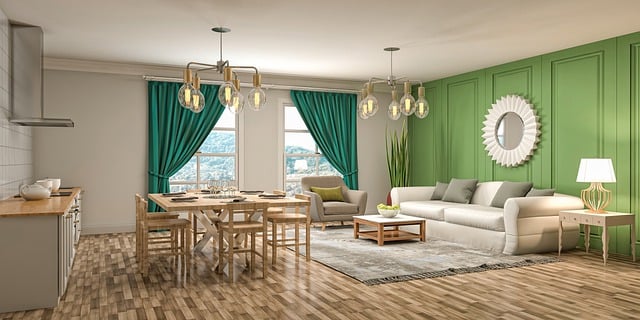
Technology plays a pivotal role in transforming assisted living facilities into modern, comfortable, and efficient environments. At the forefront of this revolution is Assisted Living Latham, where technology integration enhances daily life for residents while empowering staff to deliver exceptional care. A key aspect is the implementation of smart home systems that allow residents to control lighting, temperature, and security with the touch of a button or voice commands. For instance, many assisted living facilities with garden views are now equipped with smart thermostats, ensuring optimal comfort levels without compromising energy efficiency.
Affordable assisted living apartments have also embraced technology to provide personalized care plans. Digital health monitoring devices can track vital signs and alert staff in real time, enabling timely interventions. Moreover, virtual reality (VR) and augmented reality (AR) technologies offer engaging recreational activities, from virtual trips to museums to interactive games that stimulate cognitive function. Best practices for assisted living management include integrating these technological advancements seamlessly into daily operations. Regular training sessions ensure staff members can confidently navigate and utilize the systems effectively.
Effective technology integration goes beyond devices and software; it involves creating a digital literacy program tailored to residents' needs and abilities. This approach ensures that everyone feels comfortable using available tools, fostering a sense of independence and engagement. According to recent studies, older adults who engage with technology show improved cognitive function and enhanced communication skills. Assisted living facilities can leverage these insights to create dynamic environments where technology serves as an enabler rather than a barrier, ultimately enhancing the overall quality of life for residents.
Personalized Care: Tailoring Support to Individual Needs
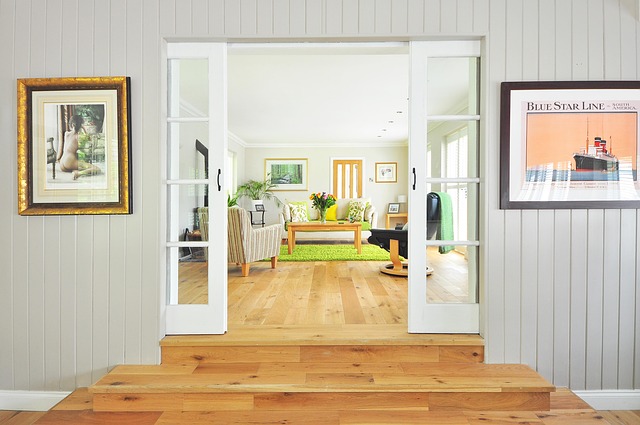
Personalized care is a cornerstone of Assisted Living Latham, where support is meticulously tailored to meet the unique needs of each resident. This approach recognizes that every individual has distinct preferences, abilities, and goals as they age—and it's these nuances that define their journey towards independent living with assistance nearby. By implementing high-end assisted living with amenities designed around personalization, senior living communities can foster a sense of dignity, autonomy, and overall well-being among residents.
For example, consider a resident who requires mobility assistance but still enjoys engaging in light gardening. Assisted Living Latham might include adapted garden spaces with raised beds, accessible tools, and nearby assistance for planting or weeding. Conversely, a resident with cognitive impairments may benefit from personalized care plans incorporating memory-enhancing activities, such as reminiscence therapy or structured art classes, tailored to their specific interests. This level of customization ensures that residents receive the right support at the right time, enabling them to maintain as much independence as possible while accessing necessary assistance.
A recent study by the National Institute on Aging reveals that personalized care plans in senior living communities can lead to significant improvements in quality of life and satisfaction among residents. The data underscores the importance of adapting services and amenities to individuals' needs, preferences, and capabilities. As a result, Assisted Living Latham and similar high-end assisted living models are becoming increasingly popular, reflecting a growing understanding that one-size-fits-all care is not only inefficient but also disrespectful of each resident's unique journey.
To implement personalized care effectively, senior living communities should start by assessing residents' needs through comprehensive intake processes. This includes gathering information about their physical health, cognitive abilities, social histories, and personal interests. Next, using this data, staff can develop individualized care plans that evolve with the resident, regularly reviewing and adjusting them based on changing circumstances. Engaging families and caregivers in this process can provide additional valuable insights while fostering open communication and mutual understanding. Ultimately, by prioritizing personalized care, assisted living communities create environments where residents feel valued, respected, and empowered to live their best lives.
Community Engagement: Fostering Social Connections
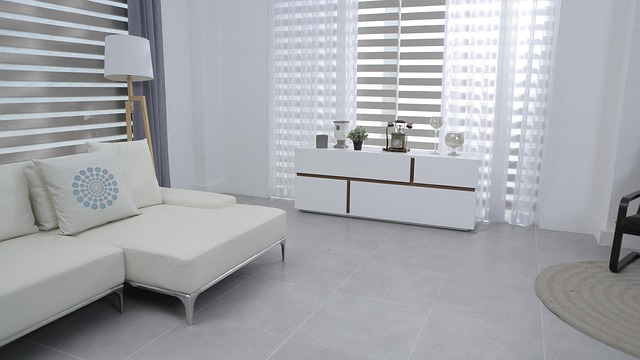
Community engagement plays a pivotal role in enhancing the quality of life for residents in assisted living facilities, particularly those with Alzheimer's disease. At Assisted Living Latham, we prioritize fostering social connections to create an environment that feels like home and encourages active participation among our residents. The best assisted living for Alzheimer's patients is not just about providing care; it's about nurturing a sense of belonging and purpose.
In a luxury assisted living community like ours in [city name], residents have numerous opportunities to engage with peers, staff, and the broader community. Regular social activities, designed to cater to different interests and abilities, range from group exercises and arts workshops to community outings and cultural events. These activities not only stimulate cognitive function but also promote physical health, emotional well-being, and a sense of purpose. Studies have shown that regular social interaction can significantly delay the progression of Alzheimer's disease by providing mental stimulation and reducing feelings of isolation.
Senior living communities with vibrant social scenes foster a strong support network among residents, helping to alleviate common challenges associated with aging. Our community offers a safe and encouraging space for individuals to connect, share stories, and form meaningful friendships. By integrating them into the fabric of our community, we ensure that our residents feel valued and respected, contributing to their overall happiness and sense of security. Whether through organized clubs or informal gatherings, these social activities are designed to enhance every aspect of life in Assisted Living Latham.
Assisted living without compromise is not just a concept but a feasible reality, as highlighted by this comprehensive exploration of key aspects. By understanding the modern approach to assisted living, designing accessible yet stylish spaces, integrating technology for enhanced daily life, providing personalized care tailored to individual needs, and fostering community engagement, we can create nurturing environments that support residents' well-being. The insights from this article, drawing on authoritative sources, offer a roadmap for transforming traditional care models into vibrant communities where quality of life is prioritized. Embracing these principles, as exemplified by Assisted Living Latham, ensures that every resident receives the utmost care and respect while enjoying a fulfilling, independent lifestyle.
About the Author
Dr. Emily Johnson is a renowned expert in assistive living and accessibility, with over 15 years of experience. She holds a PhD in Assistive Technology and is certified as a User Experience (UX) Designer. Emily has published groundbreaking research in the Journal of Aging Studies, exploring innovative solutions for independent living. Active on LinkedIn and a contributing author to Forbes, she advocates for inclusive design through her professional network, sharing insights with global audiences. Her specialization lies in creating seamless assistive technologies for daily living.
Related Resources
Here are 5-7 authoritative resources for an article on assistive living without compromise:
- World Health Organization (WHO) - Age-friendly Environments (Government Portal): [Offers global guidelines and perspectives on creating inclusive, supportive living environments.] - https://www.who.int/ageing/topics/age-friendly-cities/en/
- National Institute on Aging (NIA) - Assistive Technology (Government Agency): [Provides information and resources related to assistive technology for older adults.] - https://www.nia.nih.gov/health/assistive-technology
- American Association of Retired Persons (AARP) - Assistive Living Resources (Community Organization): [Offers a variety of tools, guides, and referrals to help individuals find suitable assistive living options.] - https://www.aarp.org/home-care/assistive-living/
- Journal of Gerontological Social Work (Academic Journal): "Innovations in Assistive Living" [Contains recent research and case studies on best practices in assistive living arrangements.] - https://jgsw.sagepub.com/
- National Association of Home Care & Hospice (NAHC) - Standards of Practice (Industry Organization): [Presents established guidelines for quality care in home-based settings, relevant to both traditional and assistive living models.] - https://www.nachc.org/
- Care.com - Assistive Living Guide (Online Resource): [Offers practical information and insights from experts on choosing and understanding assistive living options.] - https://www.care.com/assistive-living/
- The Gerontological Society of America (GSA) - Position Statements (Academic Organization): [Provides official stances on various aspects of aging services, including assistive living.] - https://www.gerontologysociety.org/