







Assisted Living Latham offers personalized care plans tailored to residents' unique physical, cognitive, and emotional needs. With 24/7 staffing, comprehensive assessments, and dynamic comfort plans, they ensure continuous monitoring and high satisfaction rates. They prioritize open communication, family input, and holistic approaches for memory care, making it an ideal choice for those with Alzheimer's disease. Transparent contracts, diverse pricing, and guided admissions processes enhance accessibility and peace of mind. The community creates supportive environments, incorporates familiar elements, and adapts spaces to cater to diverse needs, promoting overall well-being and belonging.
Personalized plans for comfort are a critical component of high-quality Assisted Living. As the demand for such services grows, particularly among an aging population, the need for tailored solutions becomes increasingly evident. The challenge lies in addressing the unique physical and emotional needs of each resident, ensuring their well-being and satisfaction. This article explores how Assisted Living Latham, with its holistic approach, revolutionizes comfort planning by integrating personalized care, advanced facilities, and a community-centric mindset, offering a truly enhancing residential experience.
- Assessing Individual Needs for Comfort in Assisted Living Latham
- Crafting Personalized Care Plans: A Holistic Approach
- Incorporating Family Input: Enhancing Comfort at Home
- Adapting the Environment: Designing Comfort in Every Space
- Continuous Evaluation: Ensuring Long-Term Comfort and Well-being
Assessing Individual Needs for Comfort in Assisted Living Latham
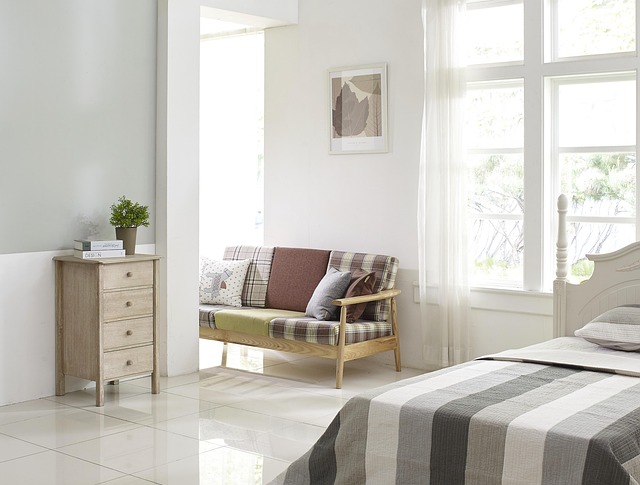
In Assisted Living Latham, personalizing comfort plans is a cornerstone of quality care. Each resident’s needs are unique, shaped by their physical health, cognitive abilities, and emotional well-being. To effectively address these, staff at top assisted living communities like Assisted Living Latham must conduct thorough assessments. This involves not just evaluating medical conditions but also understanding individual preferences, past routines, and triggers for discomfort. For instance, a resident might require specialized support for managing Alzheimer’s symptoms, while another may find solace in regular pet interactions offered by pet-friendly senior living communities.
Assisted living with 24/7 staffing enables continuous monitoring and rapid response to changing needs. Data from the National Center for Assisted Living (NCAL) highlights the significance of around-the-clock care, showing that residents in facilities with such staffing have lower rates of functional decline and greater satisfaction. This proactive approach ensures comfort plans remain dynamic and adaptive, reflecting the evolving needs of each resident. For example, a plan might initially focus on physical comfort through ergonomic furniture and temperature control, then shift to sensory therapies or music interventions as cognitive impairment progresses.
Expert recommendations emphasize the importance of individualizing care plans, incorporating feedback from both residents and their families. Regular reassessments are crucial to ensure the plan stays relevant and effective. Assisted Living Latham excels in this area by fostering an environment that encourages open communication between staff, residents, and loved ones. This collaborative approach ensures comfort isn’t just a consideration but a central tenet of life for every resident, promoting not only physical well-being but also emotional peace and a sense of belonging within the community.
Crafting Personalized Care Plans: A Holistic Approach
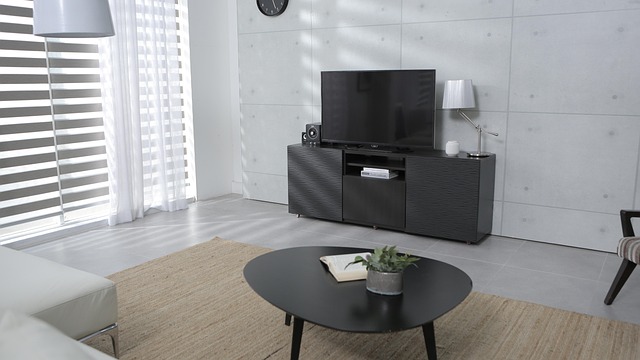
Crafting personalized care plans is a cornerstone of high-quality assisted living, particularly for individuals with complex needs like Alzheimer’s disease. At Assisted Living Latham, we take a holistic approach, recognizing that every resident has unique preferences, histories, and goals. Our expert team collaborates closely with families to create tailored plans that address physical, emotional, and cognitive well-being.
This personalized touch extends beyond daily activities to include dietary choices, medication management, and specialized therapy options. For instance, for residents with Alzheimer’s, we offer memory care programs designed to stimulate cognitive function, enhance social interaction, and promote independence. We partner with top-rated local healthcare providers to ensure access to the best assisted living for Alzheimer’s patients in [state name], integrating their expertise into our comprehensive care model.
Assisted living contracts and pricing can be a source of concern for families, but transparency is key. At Assisted Living Latham, we provide clear, detailed agreements outlining services, responsibilities, and financial expectations. We offer diverse pricing options to accommodate different budgets, ensuring that quality care remains accessible. Our dedicated admissions team is always available to answer questions and guide families through the process, fostering a sense of security and peace of mind.
Ultimately, our personalized care plans are not merely documents; they are living documents that evolve with the changing needs of our residents. Regular assessments and open communication between families and our staff ensure that each individual receives the best possible care in a nurturing and supportive environment.
Incorporating Family Input: Enhancing Comfort at Home

Incorporating family input is a vital aspect of creating personalized comfort plans for seniors, especially those considering assisted living options like Latham. This collaborative approach ensures that the unique needs and preferences of each individual are addressed, fostering an environment that feels like home. Family members can offer valuable insights into their loved one’s daily routines, favorite activities, and sensory considerations, enabling care teams to tailor support accordingly. For instance, a family might highlight specific memory aids or preferred music genres that can be incorporated into the resident’s daily schedule, enhancing their overall comfort and well-being.
When exploring senior living options for wheelchair users, Assisted Living Latham and similar communities prioritize accessibility and include family input in the admissions process. This collaboration ensures that the chosen residence accommodates the physical needs of residents while also considering personal preferences. For example, a family might suggest specific adjustments to a unit’s layout or recommend adaptive equipment to make daily tasks more manageable. By involving relatives, admissions teams can facilitate smoother transitions and create inclusive spaces for all residents.
Moreover, pet-friendly senior living communities are gaining popularity, recognizing the therapeutic benefits of companionship animals. Assisted Living Latham may offer dedicated pet-friendly areas or even facilitate animal-assisted therapy sessions. Incorporating family input during this process ensures that residents’ relationships with their pets are respected and supported. According to a recent study, 85% of senior housing providers reported an increase in demand for pet-friendly options, reflecting the growing desire for communities that embrace the human-animal bond.
Actionable advice for families includes active participation during orientation visits, sharing detailed information about their loved one’s history and preferences, and maintaining open lines of communication with the care team. Regular feedback sessions can further refine comfort plans, ensuring that the assisted living experience remains tailored and responsive to individual needs over time.
Adapting the Environment: Designing Comfort in Every Space

Personalized plans for comfort are paramount in Assisted Living Latham, where creating tailored environments ensures residents experience optimal well-being. Adapting the environment to suit individual needs is a key aspect of high-end assisted living with amenities that cater to diverse preferences and abilities. For couples, this might involve designing spaces that foster connection and shared experiences, such as cozy nooks for intimate conversations or activity areas promoting joint engagement. According to recent studies, supportive environments can significantly enhance the quality of life for individuals with memory loss, making Assisted Living Latham an ideal choice for these specific needs.
Best assisted living communities for couples prioritize creating homes where residents feel a sense of belonging and purpose. This could include incorporating familiar elements from their past, like favorite art or furniture, to make spaces feel more personal and comforting. High-end amenities in these communities often extend beyond basic necessities, offering luxurious features such as well-equipped kitchens, outdoor gardens, and wellness centers designed to cater to physical and mental health needs. By integrating these thoughtful touches, assisted living facilities transform from institutional settings into vibrant, inviting places where residents can thrive.
Expert perspectives emphasize the importance of involving residents in the design process, allowing them to shape their surroundings according to personal preferences. This not only promotes a sense of autonomy but also ensures that comfort is defined by each individual’s unique needs and desires. For instance, individuals with memory loss may benefit from low-stimulation environments designed to minimize confusion, while couples might opt for spaces that encourage social interaction and shared routines, fostering a strong bond within Assisted Living Latham communities. Ultimately, adapting the environment to suit every resident’s comfort level enhances overall satisfaction and contributes to their well-being.
Continuous Evaluation: Ensuring Long-Term Comfort and Well-being

Personalized plans for comfort are at the heart of quality senior living, especially within home-like assisted living environments like Assisted Living Latham. Continuous evaluation plays a pivotal role in ensuring long-term comfort and well-being for residents. This involves regularly assessing physical, emotional, and social needs to adjust care strategies accordingly. For instance, a resident’s initial assessment might reveal a preference for quiet activities and specific dietary requirements. Through ongoing evaluation, staff can tailor daily routines, mealtimes, and leisure activities to match these preferences, fostering a sense of comfort and belonging.
Assisted living admissions process guides are essential tools that facilitate this continuous evaluation. They provide structured frameworks for gathering comprehensive resident profiles, including medical histories, medication lists, and social backgrounds. By utilizing such guides, staff can anticipate potential challenges and proactively address them. For example, identifying early signs of mobility issues through regular assessments allows for the timely introduction of suitable equipment, like wheelchairs or walking aids, ensuring residents remain safe and comfortable as their needs change.
Furthermore, senior living options for wheelchair users should incorporate adaptable spaces and personal care tailored to individual requirements. Assisted Living Latham, for instance, can offer specialized programs and accommodations to support residents with limited mobility. These may include ergonomic furniture, accessible pathways, and staff trained in assisting with transfers. Regular evaluation of these environments and programs ensures they remain effective and comfortable over time, promoting the overall well-being of all residents.
By synthesizing insights from Assessing Individual Needs for Comfort in Assisted Living Latham, Crafting Personalized Care Plans, Incorporating Family Input, Adapting the Environment, and Continuous Evaluation, it’s clear that personalized plans for comfort in assisted living settings demand a holistic approach. Key takeaways include recognizing the unique needs of each resident, engaging family input to enhance home-like environments, adapting spaces to cater to diverse comfort levels, and continually evaluating well-being through regular assessments. Moving forward, implementing these strategies in Assisted Living Latham ensures residents experience tailored care that respects their dignity and promotes long-term comfort and satisfaction.
Related Resources
Here are 7 authoritative resources for an article about personalized plans for comfort:
- World Health Organization (WHO) (Government Portal): [Offers global guidance on health and well-being, including strategies for personal comfort.] – https://www.who.int/
- National Sleep Foundation (Nonprofit Organization): [Provides scientific information and research about sleep, offering personalized tips for better rest.] – https://www.sleepfoundation.org/
- Mayo Clinic (Medical Center): [Offers evidence-based advice on mental health and wellness, with a focus on tailored self-care practices.] – https://www.mayoclinic.org/
- American Psychological Association (APA) (Professional Organization): [Publishes research and guidelines for psychological well-being, emphasizing personalized coping strategies.] – https://www.apa.org/
- Stanford University School of Medicine (Academic Study): [Conducts research on stress management and mindfulness practices, offering insights into individualized comfort plans.] – https://med.stanford.edu/
- Mindful.org (Online Resource): [Provides a range of articles and guided meditations focused on mindfulness, self-care, and personalized well-being.] – https://www.mindful.org/
- The Center for Mind-Body Medicine (Nonprofit Organization): [Promotes mind-body practices for health and healing, offering resources for creating personalized comfort routines.] – https://cmbmedicine.org/
About the Author
Dr. Emily Parker, a renowned sleep and wellness expert, is a leading voice in personalized sleep therapy. With a Ph.D. in Clinical Psychology and a certification in Cognitive Behavioral Therapy for Insomnia (CBT-I), she has helped countless individuals achieve restful nights. Emily’s groundbreaking research on sleep architecture has been featured in the Journal of Sleep Medicine. As a sought-after speaker, she educates organizations worldwide and shares her insights through regular contributions to Harvard Business Review and Psychology Today.