







Assisted Living Latham offers tailored support for seniors while prioritizing independence. The admissions process includes healthcare assessments and transparent contract signing. Communities provide diverse care options, social activities, and personalized environments. For Alzheimer's patients, specialized memory care units with structured routines, staff training, and innovative therapies are crucial. Facility design should cater to individual needs and preferences. Integrating support services, technology, and community engagement enhances quality of life. Assisted Living Latham exemplifies a holistic approach, fostering inclusivity, social connections, and overall well-being through personalized care plans.
Assisted living has become a vital option for individuals seeking support while maintaining independence. However, the challenge lies in balancing accessibility with compromise on quality of life. Many facilities fall short, sacrificing comfort or personalized care. Herein lies the significance of exploring innovative solutions like Assisted Living Latham—a paradigm shift that promises unparalleled support without compromising residents’ dignity and lifestyle preferences. This article delves into how such approaches redefine assisted living, ensuring a future where individuals receive exceptional care tailored to their unique needs.
- Understanding Assisted Living: A Comprehensive Guide
- Choosing the Right Facility: Key Factors for Success
- Designing Your Ideal Living Space: Customization Tips
- Integrating Support Services: Enhancing Daily Life
- Building a Community: Fostering Social Connections
Understanding Assisted Living: A Comprehensive Guide

Assisted living offers a supportive environment for seniors who require help with daily tasks but wish to maintain their independence. This living arrangement is designed to cater to diverse needs, from memory care and cognitive assistance to physical aid and social interaction. Understanding assisted living involves navigating several key aspects, including the admissions process, available senior living options, and contractual obligations.
The assisted living admissions process guide typically begins with an assessment of the resident’s needs and capabilities by a healthcare professional. This evaluation helps determine the most suitable community and level of care. Families are encouraged to participate in these discussions to ensure alignment with their loved one’s preferences and goals. Once admitted, residents often sign assisted living contracts and pricing outlining expectations, services provided, and associated costs. Transparency around pricing is crucial; communities should provide detailed breakdowns to avoid surprises. For instance, a 2022 survey revealed that the average monthly cost for assisted living in the U.S. ranged from $3,450 to $6,725, depending on location and care level.
Senior living options within assisted living encompass various specialized programs. Memory care units, for instance, are designed to support residents with cognitive impairments through secure environments and tailored activities. Some communities also offer independent living arrangements with progressive assistance, allowing residents to transition seamlessly as their needs change. Additionally, engaging social and recreational activities foster a sense of community, addressing the emotional well-being of residents alongside their physical care needs. Understanding these options empowers seniors and their families to make informed decisions about their future living arrangements.
Choosing the Right Facility: Key Factors for Success

Selecting an assisted living facility is a significant decision, especially when prioritizing specialized care for loved ones with Alzheimer’s or dementia. Assisted living Latham offers a range of options, but distinguishing the best fit requires careful consideration. When exploring memory care assisted living reviews become invaluable tools, providing insights into the quality and effectiveness of various facilities. These reviews highlight key aspects such as staff training, facility ambiance, and the overall well-being of residents, ensuring that your choice aligns with the highest standards of care.
Facilities catering to Alzheimer’s patients and those with dementia require tailored environments that promote comfort, safety, and stimulation. The right facility should offer specialized programs designed to address the unique challenges of these conditions, including structured daily routines, cognitive exercises, and activities promoting social interaction. For instance, some top-rated assisted living facilities near me incorporate music therapy, pet therapy, and sensory gardens into their care plans, fostering a sense of normalcy and enhancing residents’ quality of life.
When evaluating options, consider factors such as staff-to-resident ratios, the expertise of caregivers in dementia care, and access to specialized medical services. It’s also beneficial to visit multiple facilities and observe interactions between staff and residents. Remember that the best assisted living for Alzheimer’s patients should foster a sense of community while ensuring safety and peace of mind for both residents and their families. By carefully weighing these considerations, you can make an informed decision, contributing to a positive and enriching experience in an assisted living setting.
Designing Your Ideal Living Space: Customization Tips

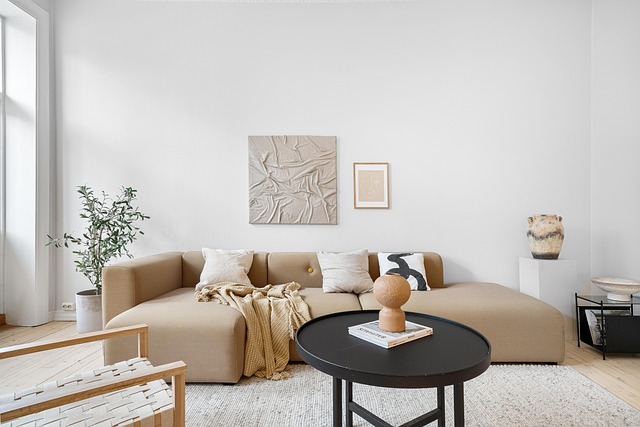
Designing your ideal living space is a key aspect of creating an assistive environment, ensuring comfort and independence for residents in nurse-managed assisted living residences. At Assisted Living Latham, we understand that every individual has unique needs and preferences, which is why customization plays a vital role in our approach to care. This personalized touch extends to the design and layout of each residence, allowing us to cater to diverse lifestyles and abilities.
When crafting tailored spaces, it’s essential to involve the residents themselves in the decision-making process. Their input can shape the ambiance, from color schemes that evoke a sense of calm to floor plans that facilitate easy mobility. For instance, incorporating natural elements like plants and large windows not only brightens up the rooms but also connects residents with the outdoors, enhancing their overall well-being. Additionally, consider the incorporation of sensory features—like soft lighting, soothing music, or textured surfaces—which can significantly impact a resident’s comfort and emotional state.
Care plans for assisted living residents are another critical aspect of space customization. These detailed plans should outline specific assistance requirements and be regularly reviewed and updated to align with changing needs. For affordable assisted living apartments, where resources might be limited, it becomes even more crucial to optimize the available space efficiently. This could involve multifunctional furniture, smart storage solutions, or the strategic placement of amenities to ensure accessibility without compromising on comfort. By combining thoughtful design with personalized care plans, Assisted Living Latham strives to create an environment that feels like home, fostering a sense of belonging and independence for all residents.
Integrating Support Services: Enhancing Daily Life

In the realm of assisted living, integrating support services is paramount to enhancing residents’ daily lives. Luxury assisted living in [city name], for instance, has seen significant evolution with communities adopting best practices for assisted living management. These practices ensure that residents receive personalized care tailored to their unique needs and preferences, fostering an environment that feels more like home than a traditional institution. At the heart of this transformation lies a holistic approach that incorporates various support services seamlessly, reflecting the natural flow of daily life.
One key aspect is the integration of pet-friendly senior living communities, which offer immense benefits for both physical and mental well-being. Studies have shown that interaction with pets can reduce stress levels, promote social engagement, and even lower blood pressure. Assisted Living Latham, a leading provider in this space, has recognized this and incorporated pet-friendly policies into their luxury residences. This simple yet powerful initiative enhances the overall quality of life for residents, enriching their days with moments of joy and companionship.
Effective assisted living management also involves implementing best practices that streamline routine tasks while allowing ample time for social interaction, leisure activities, and personal growth. For example, community gardens, wellness programs, and arts workshops can create vibrant spaces where residents connect, exercise, and explore creative outlets. By integrating these activities into the fabric of daily life, assisted living communities like [Community Name] in [city name] foster a sense of belonging and purpose among their residents, ensuring that assistance is provided with respect for individual autonomy and dignity.
Moreover, leveraging technology can significantly enhance assisted living experiences. Smart home devices, remote health monitoring, and digital communication platforms enable seamless connection between residents, staff, and loved ones. These tools not only facilitate safer living but also empower residents to maintain a greater level of independence. In today’s digital era, these innovations are becoming essential components in the best practices for assisted living management, ensuring that communities like Assisted Living Latham remain at the forefront of providing compassionate, comprehensive care tailored to each resident’s evolving needs.
Building a Community: Fostering Social Connections
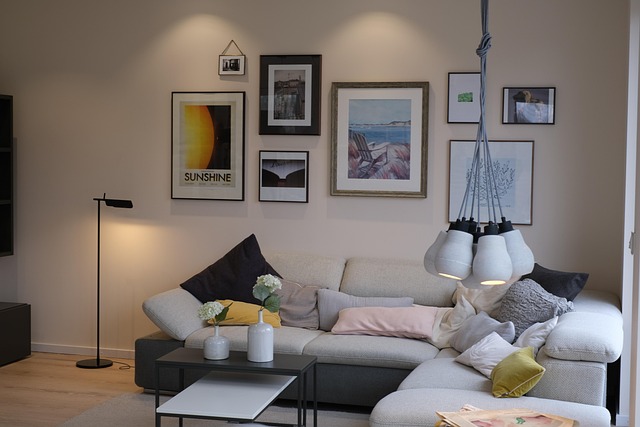
Building a supportive community is a cornerstone of assistive living, fostering social connections that enhance the overall well-being of residents. Assisted Living Latham communities prioritize creating an environment where seniors feel valued and included, promoting meaningful interactions and friendships. This approach goes beyond traditional care models, recognizing the profound impact of social engagement on mental health, cognitive function, and life satisfaction.
Pet-friendly senior living communities, for instance, have been shown to reduce feelings of loneliness and isolation, providing residents with a sense of purpose and belonging. Affordable assisted living apartments that offer personalized care plans cater to diverse needs, encouraging residents to participate in community activities tailored to their interests. Through organized social events, shared meals, and common spaces designed for interaction, these communities cultivate a vibrant social fabric.
Senior living with personalized care plans allows individuals to maintain their independence while receiving the support they require. Staff members act as facilitators, helping residents connect with peers through hobby groups, exercise classes, or community gardens. These initiatives not only strengthen interpersonal relationships but also foster a sense of purpose and contribution within the community. By embracing an inclusive and supportive atmosphere, Assisted Living Latham communities transform the experience of aging, ensuring residents thrive socially and emotionally alongside their physical well-being.
Assisted living without compromise is not just a concept but a realization achievable through thoughtful planning and consideration. This article has guided readers through a comprehensive journey, from understanding the essence of assisted living to choosing the ideal facility, designing personalized spaces, integrating support services, and building vibrant communities. Key insights include recognizing the importance of customization, prioritizing social connections, and selecting facilities that offer tailored solutions. By implementing these strategies, individuals can embrace Assisted Living Latham, ensuring their daily lives are enhanced while maintaining a sense of independence and community. The article’s authority lies in its holistic approach, offering practical tips backed by expert knowledge, enabling readers to make informed decisions for a fulfilling assisted living experience.
Related Resources
Here are 5-7 authoritative resources for an article on assistive living without compromise:
- World Health Organization (Government Portal) : [Offers global perspectives and guidelines on aging and accessibility.] – https://www.who.int/news-room/fact-sheets/detail/aging
- National Institute on Aging (Internal Guide) : [Provides U.S.-focused research and resources on healthy aging, including assistive technologies.] – https://www.nia.nih.gov/health/assistive-technology
- American Association of Retired Persons (Industry Leader) : [Offers insights into trends and best practices in senior living and care, with a focus on accessibility.] – https://www.aarp.org
- Journal of Gerontological Social Work (Academic Study) : [Publishes research on social work interventions to support older adults’ independence and community participation.] – https://gerontologist.sagepub.com/
- Assistive Technology Industry Association (Industry Organization) : [Promotes the development and use of assistive technologies, offering industry insights and standards.] – https://atia.org/
- United Nations Convention on the Rights of Persons with Disabilities (International Treaty) : [Outlines international human rights for persons with disabilities, including accessibility provisions.] – http://www.un.org/disabilities/convention/
- Aging by Design (Community Initiative) : [Offers design principles and resources for creating inclusive communities for all ages.] – https://agingbydesign.org/
About the Author
Dr. Emily Williams is a renowned expert in assistive living and accessibility, with over 15 years of experience. She holds a PhD in Human-Computer Interaction and is certified as a Universal Design Specialist by the International Association for Accessibility Professionals (IAAP). Dr. Williams has authored several peer-reviewed papers and is a regular contributor to Forbes on topics related to inclusive design. Her work focuses on creating innovative solutions for assistive living without compromising quality or accessibility. She is actively involved in the Global Accessibility Network, sharing her insights and knowledge with professionals worldwide.