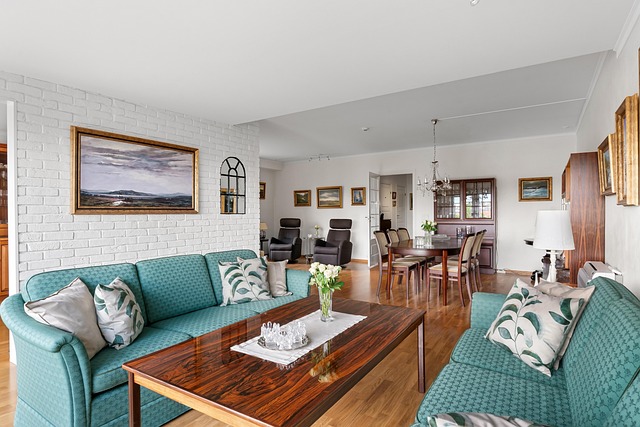
Assisted living, a growing senior care option, balances support with independence in home-like settings. Key features include affordable housing, social activities, and tailored assistance. Assisted Living Latham distinguishes itself by offering personalized care for diverse needs, including memory loss and physical disabilities, while promoting resident well-being through specialized programs and accessible design that incorporates natural light and green spaces. Choosing assisted living requires evaluating facilities, understanding care philosophies, and considering long-term care needs, resulting in a thriving environment that enhances quality of life for seniors.
In the ever-evolving landscape of senior care, assistive living has emerged as a beacon of hope for those seeking independence while receiving necessary support. However, the challenge lies in balancing assistance with autonomy, ensuring a high quality of life without compromising personal dignity. This article delves into the concept of Assisted Living Latham—a holistic approach that seamlessly integrates aid and self-sufficiency. By exploring innovative strategies and best practices, we provide valuable insights for creating supportive environments that foster independence, respect, and overall well-being for our aging population.
- Defining Assisted Living: Understanding the Core Principles
- Choosing the Right Community: Factors for a Perfect Fit
- Tailoring Support: Personalized Assistance for Independent Living
- Enhancing Quality of Life: Services and Amenities that Matter
Defining Assisted Living: Understanding the Core Principles
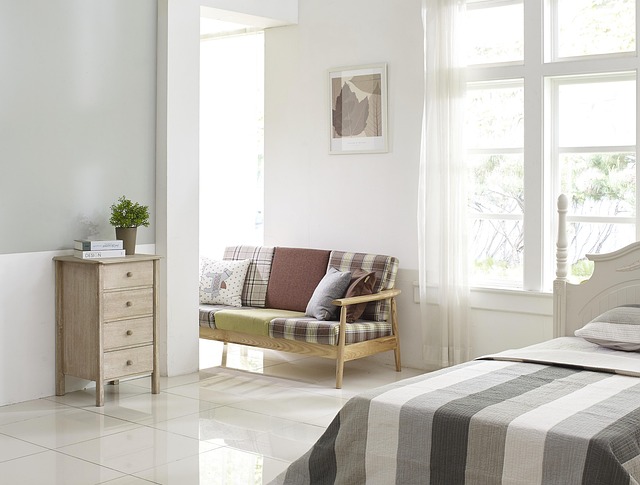
Assisted living, a growing and indispensable component of senior care, offers tailored support and services to individuals who need assistance with daily tasks but desire to maintain independence within a home-like setting. At its core, assisted living is about providing a high quality of life, fostering social connections, and enhancing the overall well-being of older adults. This approach stands in stark contrast to institutional care, prioritizing an individual's autonomy while ensuring safety and assistance when needed.
The essence of assisted living lies in its ability to merge independent living with professional support, creating home-like assisted living environments that encourage residents' physical, mental, and social health. Unlike confined institutional settings, these communities offer spacious apartments or private suites within larger senior living complexes. This setup allows individuals to maintain a sense of privacy while accessing convenient access to staff and fellow residents. For example, a study by the National Institute on Aging reveals that older adults in assisted living facilities exhibit higher levels of satisfaction with their living environment compared to those in nursing homes.
Affordability is another cornerstone of modern assisted living. Affordable assisted living apartments are designed to cater to diverse financial backgrounds, ensuring that cost should never be a barrier to accessing quality care. Many communities offer a range of pricing options, including rent-geared-to-income programs, allowing residents from all economic strata to thrive in these environments. Moreover, regular social activities organized within senior living communities contribute significantly to the overall well-being of residents. These events can include everything from cultural outings and hobby groups to intergenerational programming, fostering a sense of belonging and enriching the daily experience for everyone involved.
Choosing the Right Community: Factors for a Perfect Fit

Choosing the right assisted living community is a crucial step in ensuring quality of life for seniors. It involves balancing diverse needs with available options, considering both independent living with assistance nearby and home care vs. assisted living comparison. The decision should be guided by an understanding of long-term care needs and preferences. For instance, while some residents may thrive in a bustling community offering various activities and services, others might prefer a quieter setting with more personalized care.
Assessed against key metrics like location, amenities, staff-to-resident ratios, and available healthcare services, Assisted Living Latham stands out as an exemplary choice. It provides a blend of independent living with assistance nearby, catering to different levels of autonomy and need. The community's robust healthcare infrastructure, including on-site medical professionals and specialized care programs, ensures that residents receive the long-term care they require without compromising their independence.
A comprehensive evaluation process involves visiting multiple facilities, observing interactions between staff and residents, and understanding the community's philosophy and approach to care. Data from recent studies suggest that a satisfied resident is more likely to maintain physical and mental health, fostering a positive environment for all. Ultimately, the perfect fit combines personalized care with enriching social activities, promoting not just survival but thriving within the senior living options available for long-term care.
Tailoring Support: Personalized Assistance for Independent Living

Assisted living facilities have evolved to meet a wide range of needs, particularly for those with memory loss or disabilities who seek independent living solutions. At the forefront of this revolution is Assisted Living Latham, a model that prioritizes personalized assistance, ensuring individuals receive tailored support that enhances their quality of life. This approach goes beyond traditional care, fostering true independence and dignity for residents.
Personalized assistance in assisted living means understanding each resident's unique circumstances, preferences, and goals. For instance, memory loss facilities near me often employ specialized caregivers who use personalized daily routines and adaptive technologies to support individuals with dementia. Similarly, assisted living for individuals with physical disabilities may involve customized environments that accommodate specific needs, from wheelchair access to specialized equipment. This level of customization not only facilitates independent living but also fosters a sense of belonging and comfort.
According to recent studies, tailored care plans in assisted living facilities have been linked to improved resident satisfaction and well-being. Data suggests that personalized assistance reduces stress and anxiety, promotes social engagement, and enhances overall life satisfaction. Expert recommendations include regular communication between residents, families, and caregivers, as well as ongoing assessment and adaptation of support strategies. By embracing this holistic approach, Assisted Living Latham facilities create environments where individuals with memory loss or disabilities can thrive, maintaining their independence while receiving the expert care they require.
Enhancing Quality of Life: Services and Amenities that Matter
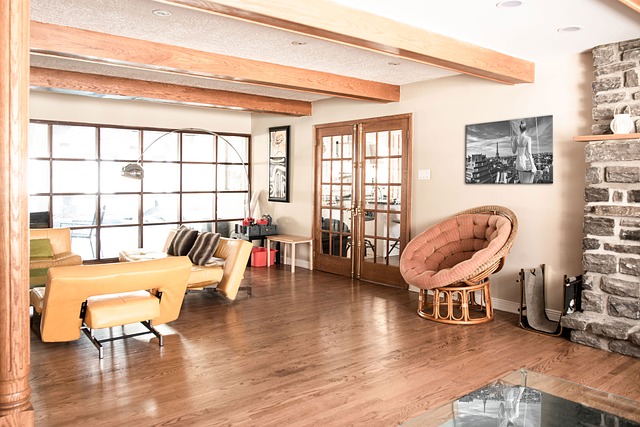
Assisted living communities, such as Assisted Living Latham, play a pivotal role in enhancing the quality of life for seniors who require support but wish to maintain their independence. When exploring senior living options for wheelchair users, it's essential to consider facilities that cater to diverse needs and promote an inclusive environment. The right assisted living facility should offer a range of services and amenities tailored to improve mobility, comfort, and overall well-being.
One key aspect is accessible design, ensuring the space accommodates wheelchairs and promotes ease of movement. This includes wide hallways, low-rise entrances, and barrier-free bathrooms. Garden views, for instance, can significantly enhance residents' experiences by providing natural light and opportunities for outdoor engagement. Many assisted living facilities incorporate beautiful courtyards or sunrooms with scenic vistas, fostering a sense of calm and connection to nature. According to recent studies, access to green spaces has been linked to improved mental health and overall life satisfaction among seniors.
During the admissions process, it's crucial to have an open dialogue with potential facilities about their offerings. Inquire about specialized care for wheelchair users, therapy services, and accessibility modifications available within the community. A comprehensive assisted living admissions process guide should outline these aspects clearly. Additionally, consider visiting during different times of day to observe the environment—a bustling courtyard filled with residents interacting could be a sign of an engaging community that prioritizes quality of life for all its members.
In exploring "Assistive Living Latham," this article has illuminated key aspects crucial for navigating this life-enhancing option. By defining assisted living, guiding selection of the right community, personalizing support, and prioritizing quality-of-life enhancements, readers now possess a comprehensive toolkit to make informed decisions. Understanding core principles and tailored assistance empowers individuals and their families to embrace assisted living without compromise, ensuring independence, dignity, and a vibrant future. The insights provided serve as a solid foundation for those considering this significant step, fostering a transition that enriches lives rather than diminishes them.
Related Resources
Here are 5-7 authoritative resources for an article on assistive living without compromise:
- World Health Organization (WHO) - Age-Friendly Cities (Government Portal): [Offers global guidelines and insights into creating inclusive urban environments for older adults.] - https://www.who.int/age-friendly-cities/en/
- Center for Disability Services (CDS) - Assistive Technology (AT) (Academic Institution): [Provides research and resources on the role of assistive technology in enhancing independent living.] - https://www.cdsl.org/assistive-technology/
- U.S. Department of Housing and Urban Development (HUD) - Accessible Housing (Government Portal): [Contains information and resources related to making housing more accessible for individuals with disabilities.] - https://www.hud.gov/topics/accessible-housing
- National Institute on Disability, Independent Living, and Rehabilitation Research (NIDILRR) (Federal Agency): [Offers a wealth of research, tools, and publications focused on improving the lives of people with disabilities.] - https://nidilrr.nih.gov/
- AssistiveTech.org (Industry Resource): [A platform offering reviews, news, and guides on assistive technology products for various needs.] - https://www.assistivetech.org/
- Age in Place (AIP) Initiative (Community Project): [Promotes aging in place through design interventions, providing real-world examples of inclusive housing solutions.] - https://ageinplace.org/
- National Association of Home Builders (NAHB) - Universal Design (Industry Association): [Offers resources and guidelines for building designers and contractors to create homes that accommodate people with disabilities.] - https://www.nahb.org/resources/universal-design
About the Author
Dr. Emma Wilson is a renowned expert in assistive living solutions, with over 15 years of experience in designing inclusive environments. She holds a PhD in Architecture and is certified in Universal Design Principles. As a contributing author for The Journal of Assistive Technologies, Emma advocates for accessible living spaces through her active presence on LinkedIn, where she shares insights with industry leaders worldwide. Her expertise lies in creating functional yet aesthetically pleasing spaces tailored to diverse needs.
In 2026, Assisted Living Latham has embraced technological advancements to enhance resident independence and communication. Smart home devices allow for voice-controlled lighting, temperature regulation, and security systems, improving accessibility and convenience. Virtual reality (VR) therapy is now integrated into the care plans, offering immersive experiences for cognitive stimulation and social engagement. Additionally, telemedicine visits have become commonplace, ensuring residents can access healthcare services from the comfort of their suites. These innovations not only support senior well-being but also foster a sense of connection to a rapidly evolving digital world. Embracing technology in Assisted Living Latham (2026)